Blog
Dental hygiene tips for healthy teeth & gums
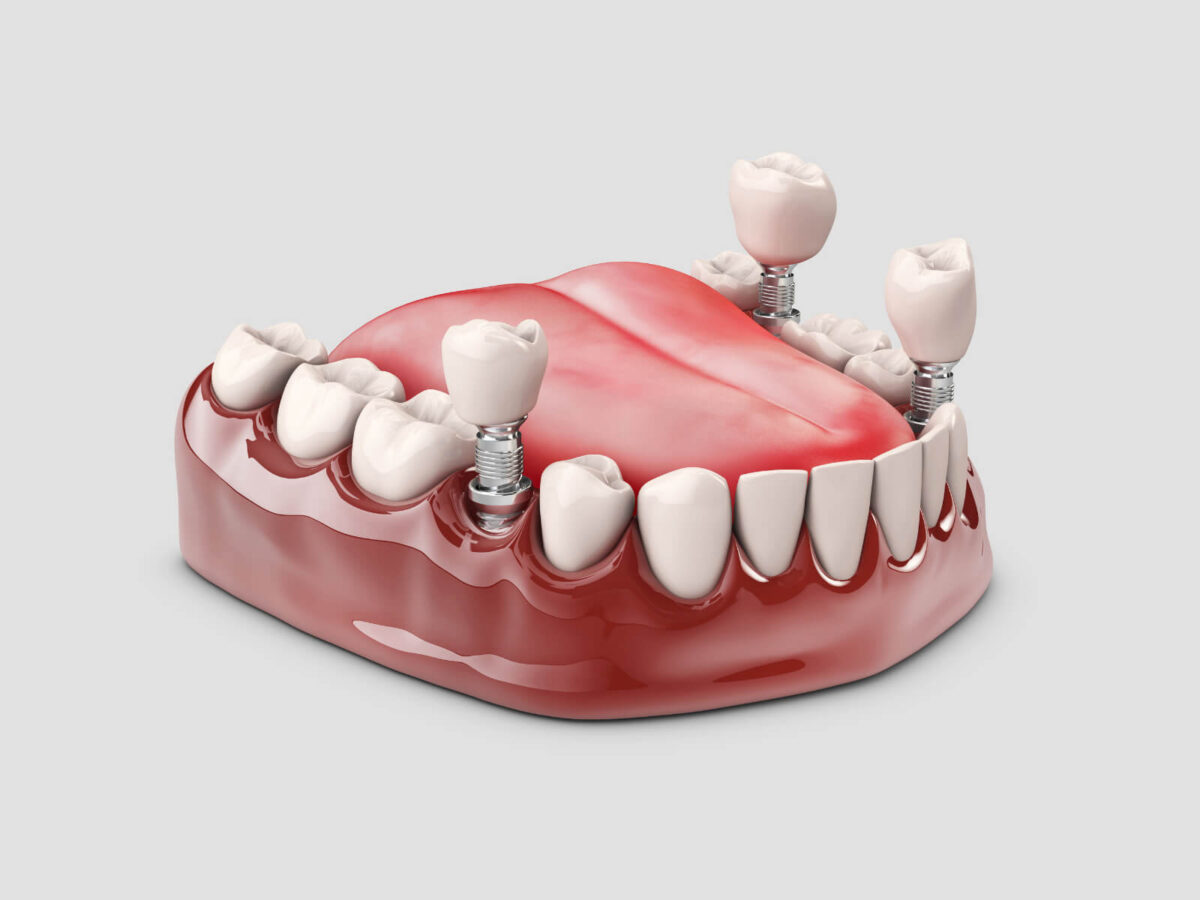
5 Steps to Increase the Longevity of Your Dental Implants
Losing a tooth affects more than you might expect. Eating feels different. Talking can be awkward. And smiling? You might find yourself holding back. That’s where dental implants come in—they don’t just replace the tooth, they help you feel normal again. No more worrying about how you look when you laugh or whether something on your plate is too tough to chew.
And while they’re built to last, they’re not completely maintenance-free. Implants, much like your real teeth, need regular care to keep them in great shape.
The better you treat them, the longer they’ll stick around—and that can mean decades of comfort and function without trouble. You can’t just forget about them once they’re in. You’ve got to treat them right.
At our Grangerland Dental Office, TX, we’ve seen implants last a lifetime—but we’ve also seen them fail way too soon. So, what really matters? Often, it’s the small daily choices that add up the most.
Here are five practical steps to help you take care of your implants:
1. Handle Them With Care
Sure, implants are tough. But they’re not superhuman. A lot of folks make the mistake of thinking they can use them just like natural teeth—biting down on hard candy, opening things with their mouth, chewing on ice, the list goes on.
Here’s a tip from a Grangerland Dentist, TX: don’t do it. Your implants don’t have nerves, so you might not even notice damage until it’s too late. Play it safe. Avoid chewing super hard foods, and if you catch yourself using your teeth as tools, stop. Small choices now can mean fewer problems later.
2. Keep Up With Good Oral Hygiene
Even though implants can’t get cavities, you still need to brush and floss regularly. In fact, the tissue and bone around them need even more attention. Why? Because if your gums or jawbone start to weaken, the implant might loosen.
Taking care of your dental implants isn’t hard, but you’ve got to stick with it. Start your day with a good brushing, and don’t skip it before bed. Floss once a day to keep things clean between the teeth. Stick with a soft brush—it’s easier on your gums and won’t scratch around the implant. You’re aiming for clean, not harsh.
Avoid rough, gritty toothpaste. It might feel like it’s working, but it can actually bother the sensitive areas around your implant. And if you really want to be thorough, try using a small interdental brush made for implants.
And yes, flossing around implants is just as important as it is for natural teeth. You wouldn’t skip that step for your real teeth, right?
3. Don’t Skip Your Checkups
We get it. Life gets busy. But skipping your regular dental visits? Not a good move if you’re serious about dental implant longevity. You might not notice when something’s starting to go wrong—but your dentist will.
At our Grangerland Dental Office in TX, we recommend checkups every six months. Sometimes more, depending on your history. During these visits, we look for signs of inflammation, gum issues, or bone changes that could spell trouble. We’ll also clean spots you can’t quite reach on your own.
X-rays are another important part. They show us what’s happening below the surface—whether your implant is still stable or if there’s any sign of trouble brewing. Catching a problem early usually means it’s much easier to deal with.
4. Eat to Support Your Implant (and Your Body)
Your diet matters more than you might realize. Implants need strong bones and healthy gums to stay secure. And those things rely on—you guessed it—good nutrition.
Try adding more calcium, vitamin D, and protein to your meals without overthinking it. A bowl of yogurt, some cooked greens, or a few eggs. These nutrients give your jaw the strength it needs and help your gums stay in good shape
Also, try to avoid sugar or acidic foods. These don’t just affect your natural teeth—they can irritate your gums and create the kind of environment where bacteria thrive. That kind of neglect can lead to infection or even cause the implant to fail.
5. Pay Attention to Your Habits
This step might surprise you, but your everyday habits have a huge impact on how long your implants last. Let’s talk about a few that matter.
Smoking is a big one. It reduces blood flow to your gums and slows down the healing process. If you have implants and still smoke, talk to your dentist about quitting or cutting back.
A lot of folks grind their teeth without even knowing it, especially at night. But grinding puts a ton of pressure on your implants and can cause them to shift or even fail over time. A custom night guard can help if this is something you deal with.
Even things like chronic stress or poor sleep can mess with your oral health. It’s all connected.
Final Thoughts: Treat Them Like an Investment
Dental implants aren’t cheap. But they are worth it—when they’re taken care of. And honestly, most of what it takes to keep them in good shape is pretty simple: brush, floss, eat right, don’t use your teeth as tools, and show up for your checkups.
At our Grangerland Dental Office TX, we tell every patient the same thing: implants aren’t just a fix, they’re a long-term commitment. But with a little consistency and care, they’ll pay off every single day—in confidence, comfort, and a better quality of life.
Whether you’re new to implants or you’ve had them for years, it’s never too late to start building better habits. And if you ever have questions, Grangerland Dentist TX is here to help you every step of the way.