Blog
Dental hygiene tips for healthy teeth & gums
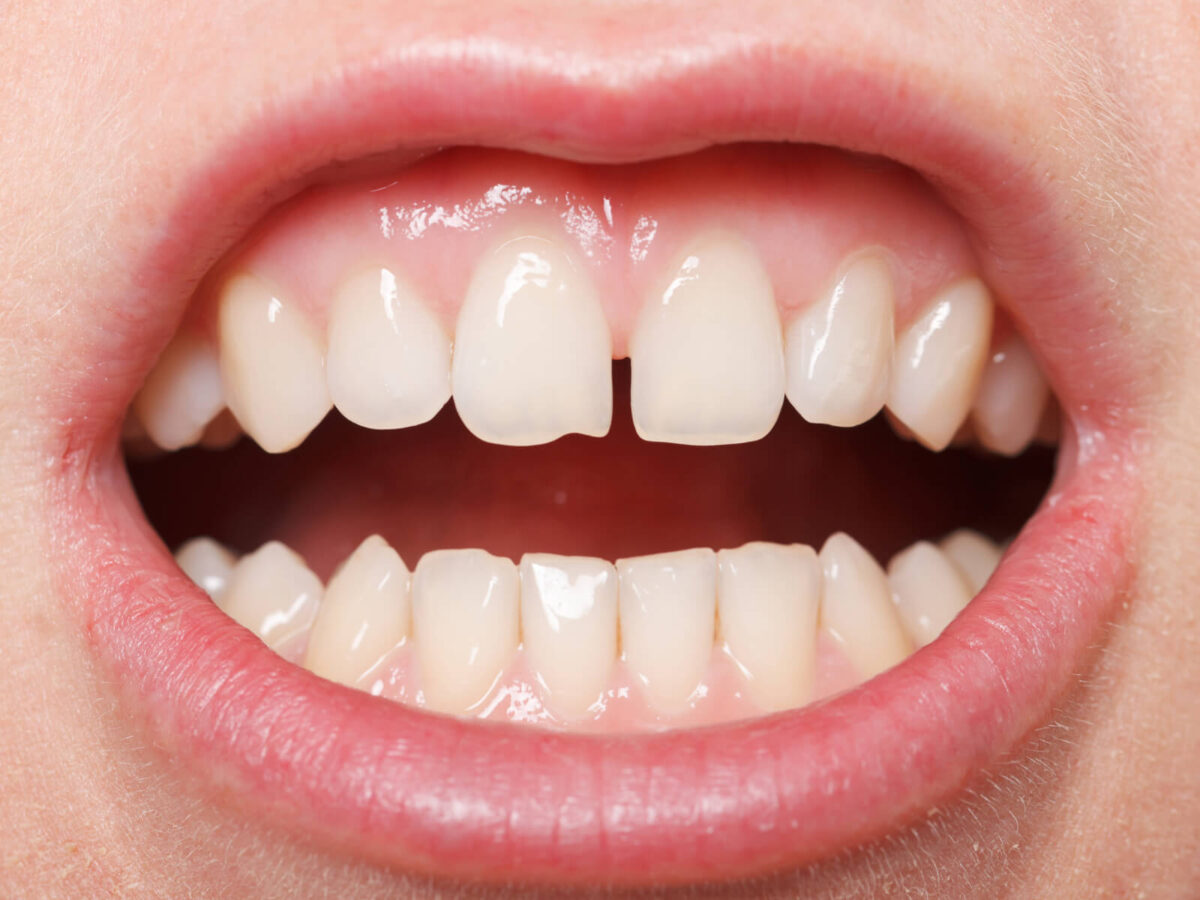
Why You Shouldn’t Ignore Small Gaps Between Teeth
When you think about dental problems, it’s usually the big ones that pop up first. Cavities that hurt. Gums that swell. Maybe even a tooth that’s cracked. The little stuff, like a small gap between teeth, doesn’t usually get much thought. Easy to shrug off.
Some folks even say it adds character. A gap might look small, nothing to worry about. But that’s not always true. It can throw off how your mouth feels, and gums end up paying for it in ways you don’t see right away. At your Grangerland Dentist TX, we see this a lot.
Patients come in pointing to a tiny space, not realizing how much it changes things. Food slips in more easily, gums get irritated, and cleaning becomes harder than it looks. Over time, that “small” gap can set off bigger issues. That’s why a Grangerland Dental Office TX doesn’t just focus on appearance. Fixing gaps means protecting the health of your smile, too.
Why Do Small Gaps Form in the First Place?
Small gaps between teeth, also called diastemas, can happen for many reasons. Some are genetic. Maybe your jaw is slightly larger compared to the size of your teeth, leaving extra room. For others, habits like thumb sucking during childhood may have nudged teeth apart. Even gum issues or shifting teeth as adults can create spaces over time.
Another overlooked reason is tongue thrusting. Every time you swallow, if your tongue pushes forward against your front teeth, it can create or widen gaps slowly but surely. On top of that, periodontal problems, where gums weaken and bone support reduces, often make teeth drift apart.
It doesn’t always happen from one big cause. A lot of the time, it’s little things, daily habits, or pressure, slowly shifting teeth over the years. What looks like “just a gap” can actually hint at changes with your bite or even your gums.
Are Small Gaps Really a Problem?
At first glance, a small space between teeth doesn’t feel like an emergency. You’re not in pain. You can chew. You can smile without much worry unless the gap is in the very front. But ignoring them has a hidden cost.
Food particles are more likely to get trapped in open spaces. Even if you floss daily, those little areas often collect plaque faster. That buildup doesn’t just sit there. It pokes at your gums, making them sore. Give it time, and the gums start bleeding more easily, and the bone holding the tooth can loosen up, too. What looked like just a small cosmetic thing turns into a gum problem pretty quickly.
There’s also the bite factor. Teeth aren’t just there for looks; they balance pressure every time you chew. Gaps can throw that balance off. One tooth may end up taking more force than it should, wearing down faster, or even becoming sensitive.
And let’s not forget speech. For some people, even a small gap creates a slight whistle or lisp when talking. That can chip away at confidence during conversations without them realizing how much it bothers them until it’s fixed.
The Connection Between Gaps and Gum Health
Think of your gums as the frame that keeps teeth steady. When there’s a gap, that section of gum gets left more open than it should. Extra exposure makes it easy for irritation to set in. At a Grangerland Dental Office TX, we see it all the time—patients come in for a cleaning, and there’s redness or swelling right around those open spots.
Once gums start reacting, it becomes easier for bacteria to slip in and cause deeper problems. What began as a small space becomes the entry point for gum disease. And gum disease doesn’t stay small—it grows quietly. That’s why detecting small gaps early is important. It makes it easier to keep gum disease from starting.
Cosmetic Impact: More Than Meets the Eye
Sure, health comes first. But looks matter too. A smile is a big part of how we meet people and connect. A gap in the wrong place can make people self-conscious. Even if friends say it’s “barely noticeable,” we often notice our own teeth the most.
Cosmetic dentistry today offers plenty of simple ways to close gaps. Most of them don’t even feel invasive. Some treatments are fast, easy to sit through, and can really boost confidence once the space is gone. And importantly, fixing the gap often helps prevent related health issues, which makes the investment doubly worth it.
How Dentists Fix Gaps in Teeth
Most people end up asking, “So how do you fix a gap?” The truth is, it depends, and not every answer means braces.
Bonding is quick—resin is shaped to close the space in one visit. Veneers work too, covering the front of teeth so the gap just disappears. If the problem is alignment, clear aligners can slowly move teeth without the bulk of braces.
And if gums are the reason, that has to be treated first. Fixing only the gap without dealing with gum health never really lasts.
Preventing Gaps From Getting Worse
A small gap doesn’t always mean you need work done right away. Sometimes it just sits there. Other times it starts to open up more, and that’s when it matters. That’s why checkups with your Grangerland Dentist TX are useful—they’ll spot if it’s moving before you do.
Day-to-day stuff plays a role, too. Brushing around the gums, running floss through, and even a rinse now and then keeps things calmer. And habits sneak in. Pushing your tongue forward, grinding at night, little things like that can slowly make a gap wider without you noticing.
Why Local Expertise Matters
No two mouths are the same, and neither are the gaps that show up. That’s why dropping by your Grangerland Dental Office TX really helps. The dentist there will actually look at what’s causing the space in your smile, instead of giving a one-size-fits-all answer.
For some people, it’s as quick as bonding, for others, maybe aligners, or even a little gum work. The goal isn’t just to close the gap—it’s to get everything working right again and keep your teeth healthy down the road.
The Bigger Picture
Most times, a gap isn’t just there for no reason. Something’s shifting with your teeth or maybe your gums. If it sits there without care, it doesn’t stay the same. The space can creep bigger, chewing feels weird, and gums end up paying for it too.
The good news? Fixing them isn’t complicated. If you’ve had a gap since you were a kid, or one just showed up and started bugging you, it’s worth checking in. Your Grangerland Dental Office TX can walk you through what’s happening and show you simple ways to get things back on track.
So the next time you catch yourself brushing off a small gap, pause for a second. In mouths, little changes don’t always stay little for long.