Blog
Dental hygiene tips for healthy teeth & gums
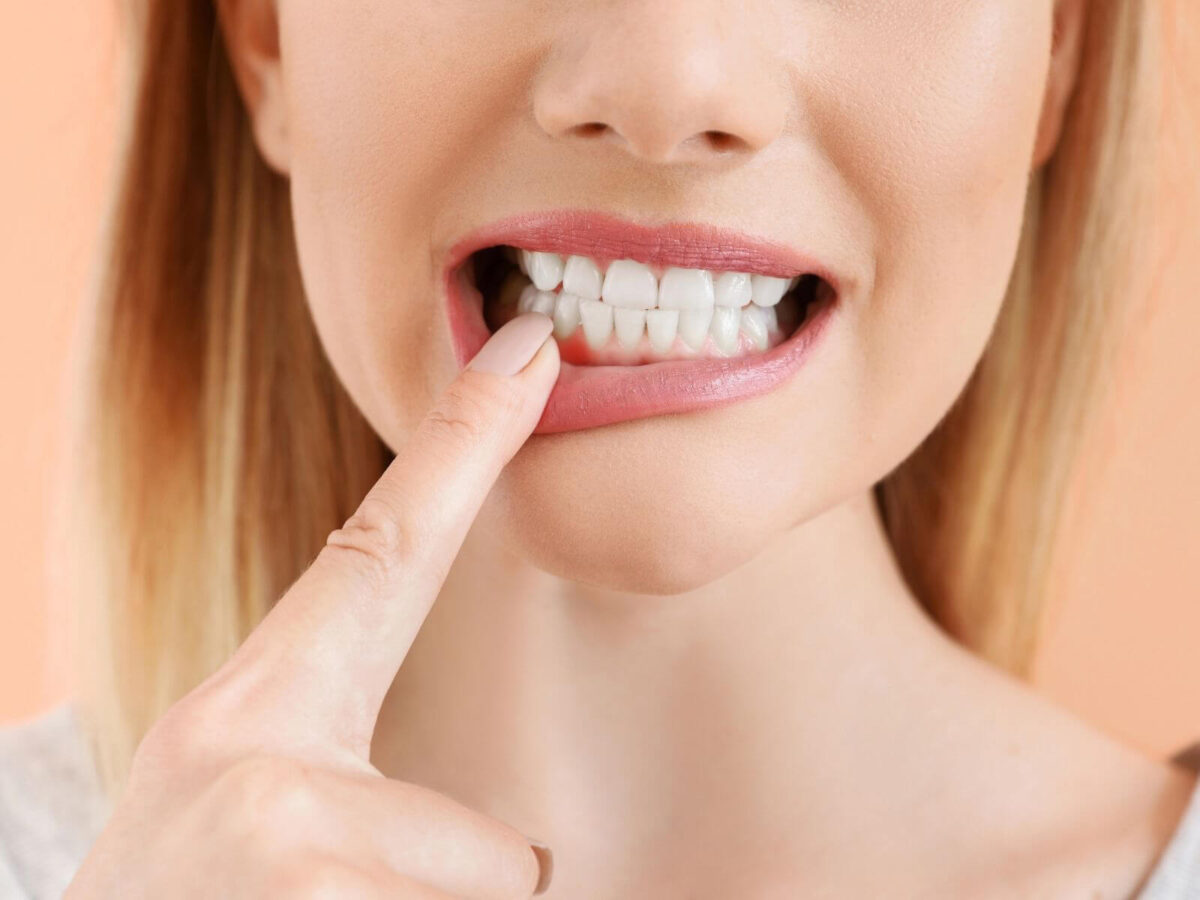
Signs You Might Have Gum Disease And How To Prevent It
Let’s be real. We usually don’t notice our gums until something doesn’t feel right. Like when you see blood on your toothbrush. Or when flossing feels weirdly sore. You shrug it off, rinse, and move on. But gum problems don’t go away by ignoring them. They usually get worse quietly. Slowly. Then suddenly, you’re sitting at the dentist’s office hearing words like “deep pockets” or “bone loss.” Not fun.
If you’ve ever wondered whether something’s starting under the surface, or how to stop it before it turns into something big, keep reading. Your Grangerland Dentist has seen what happens when people wait too long. But here’s the good part: it’s almost always preventable.
Why Your Gums Actually Matter
People think oral health is all about teeth. But your gums are just as important. They anchor your teeth. Protect your bone. Keep bacteria in check. When they’re inflamed or infected, everything around them suffers too.
And gum issues don’t just stay in your mouth. More and more research keeps pointing to the same thing. Gum disease isn’t just about your mouth. Studies link gum disease to heart problems. There’s also a connection to diabetes. Even Alzheimer’s has been tied to it. That’s a big deal. That little bit of bleeding while brushing? It could be the first sign your body’s trying to tell you something.
Spotting the Early Symptoms of Gum Disease
It starts subtly. Most folks don’t realize it until it’s already there. Here are some early signs:
- You see some bleeding after brushing or flossing.
- Puffy or red gums
- Gums that look shiny or feel tender
- Bad breath that sticks around
- A strange taste in your mouth that sticks around
If your gums look swollen or bleed easily, it’s not just “normal.”
That’s your mouth waving a little red flag.
If you catch it early, you’ve got options. That’s your shot to turn it around before it becomes a real problem. No scary tools or big procedures, just better care and timing.
When It Starts Getting Serious
Ignore those signs long enough, and the next stage kicks in. This is where things move from mild to more serious.
You might notice:
- Gums pulling back from your teeth
- Teeth looking longer than before
- Wiggly or shifting teeth
- Pain when biting down
- Pus along the gum line
These are gum infection symptoms that usually mean the infection has spread below the surface. Now your bone may be involved. And once the bone goes, teeth don’t have much support left.
Why It Happens in the First Place
It all starts with plaque. That sticky film shows up after you eat or drink. It’s worse with sugar and starch. If you brush and floss well, you can clear most of it. Skip a few times, and it hardens fast. That’s how tartar forms. That’s where trouble begins.
Tartar sticks to your teeth like cement. You can’t remove it at home. And once it’s there, it starts irritating your gums nonstop.
Other things that make gum disease more likely:
- Smoking
- High-stress levels
- Not brushing or flossing well
- Hormone changes (happen during pregnancy or even menopause).
- Conditions like diabetes that affect your health
Your Grangerland Dental Office TX can spot what’s putting you at risk, and help you stay ahead of it.
Here’s How You Prevent It
You don’t need perfect dental habits. Just good ones. The kind you can stick to.
1. Brush Twice a Day
Go easy. Stick with a soft brush. It’s gentler on your gums. Aim at the gumline. Go slow. Too much pressure won’t help. It’ll just hurt the tissue.
2. Floss Like You Mean It
Yes, flossing really matters. Doing it right once a day is all you need. Can’t handle string floss? Try a water flosser. Still counts.
3. Rinse Smart
Mouthwash helps if it’s the right kind. Ask your dentist what’s best. Some contain ingredients that calm inflammation or reduce bacteria.
4. Get Professional Cleanings
Even if your teeth “feel fine,” cleanings are your first line of defense. They knock out tartar before it starts trouble. Twice a year works for most people. Your Grangerland Dentist will let you know if you need more.
5. Watch for Changes
If something starts to feel off, like bleeding, bad breath, or soreness, don’t wait. Find it early, and you avoid the pain. Plus, it won’t cost you nearly as much.
What Happens If You Already Have It?
Good news: early gum disease is reversible. A deep cleaning (called scaling and root planing) removes tartar from under your gums. That gives your body time to heal. Your dentist might suggest a special toothpaste. Maybe a medicated rinse. And you might need to come in a little more often for a bit.
It’s manageable. You’re not stuck with it. Even if it’s already pretty far along, it’s not a lost cause. There’s still stuff your dentist can do to slow it down. And help you hang on to the teeth you’ve got.
Final Thoughts
If your gums could talk, they’d likely ask you to pay a bit more attention. They don’t ask for much. Just consistency. The truth is, gum disease often begins without you even realizing it. But once you notice it, that’s your window. You can still fix it before it turns into something bigger.
Spotting gum disease early is kind of like having a head start. You see what’s coming. You act before it gets out of hand. And your Grangerland Dental Office TX is here to help every step of the way. So, don’t wait for things to hurt. Look for the small signs. Brush. Floss. Show up for cleanings. And give your gums the care they’ve been quietly asking for.