Blog
Dental hygiene tips for healthy teeth & gums
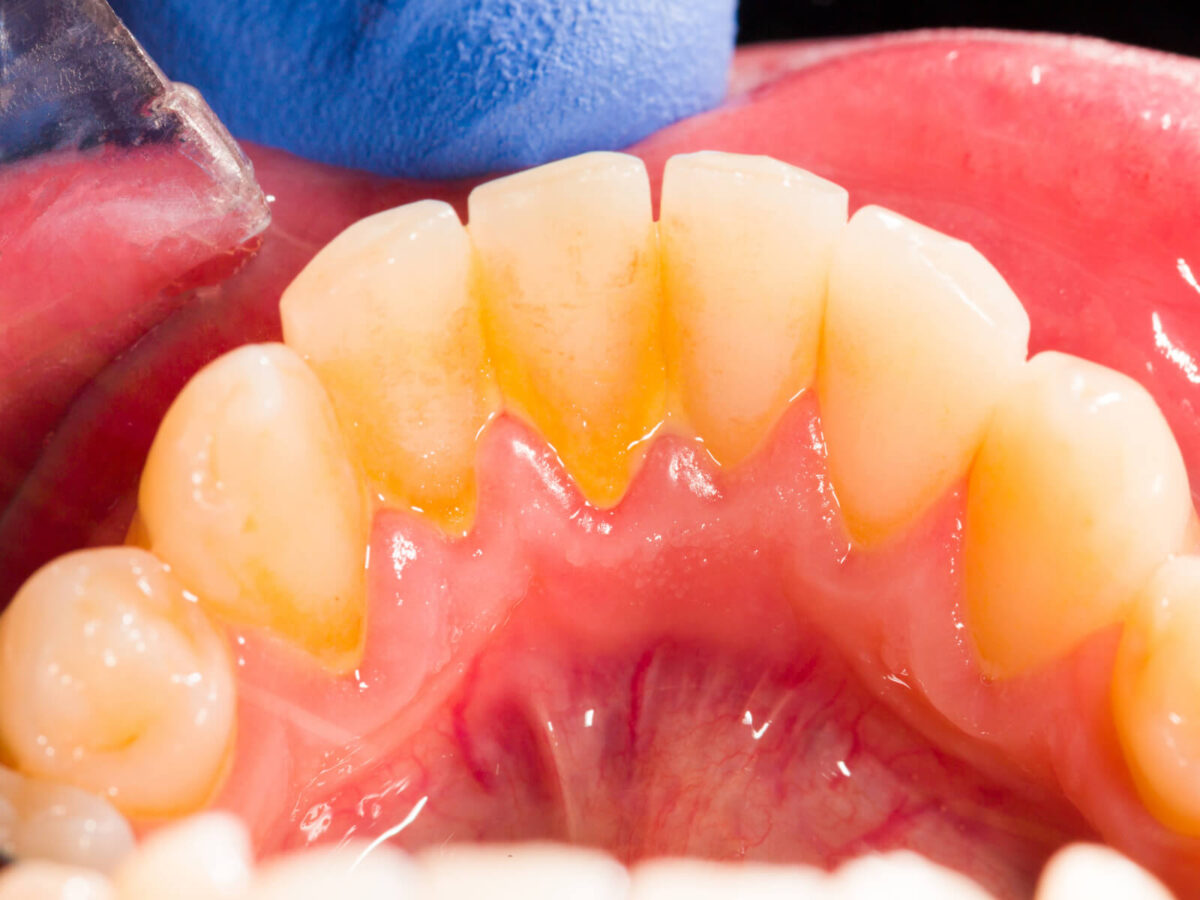
How Water Flossing Outperforms Traditional Flossing in Plaque Removal
Flossing, with a traditional string, is supposed to keep your teeth clean, but let’s be honest—it’s not the easiest thing to do. If your teeth are close together or you have braces, getting the floss in there can feel impossible. A lot of people just give up on it altogether.
That’s why water flossers are catching on. Instead of wrestling with string, you just let a steady stream of water do the work. It reaches spots that regular floss struggles with and clears out plaque without the awkward twisting and pulling. Plus, it’s way less of a hassle.
More people are making the switch because it just makes sense. Water flossers take less effort, clean more effectively, and actually make flossing something you won’t dread. If string floss has never worked for you, this might be exactly what you need.
Is Water Flossing Really Better Than Traditional Flossing?
Flossing. One of the things that you know is good for you, but you’d rather skip. Like going to the gym is important, but too easy to ignore. For most of us, it’s just a painful extra step.It can be a hassle. If your gums are sensitive, it’s not exactly pleasant. That’s why so many people avoid it.
That’s why people are turning to water flossing. It’s faster, easier, and—let’s face it—way less of a pain. But does it really clean better, or is it just another thing that sounds good but never sticks? Let’s talk about it.
Your trusted Grangerland Dentist, TX is here to break it all down.
The Problem with Traditional Flossing
String floss has been the standard for decades. When used correctly, it does a good job of cleaning between teeth. But that’s the catch—most people don’t use it correctly.
Some don’t floss deep enough. Others snap the floss too hard against their gums. Many just skip flossing altogether because they find it too much trouble. Sound familiar?
Flossing every day doesn’t mean you’re reaching every spot. If you have braces, tight teeth, or bridges, regular floss might not do the job.
Why Water Flossers Are a Game-Changer
Water flossers don’t rely on strings. Instead, they use a targeted stream of water to clean between teeth and along the gumline. It’s an easier, gentler, and often more effective way to remove plaque.
Here’s why patients at Grangerland Dental Office TX are making the switch:
1. Removes More Plaque
Water flossers reach areas traditional floss can’t, flushing out deep-set plaque and bacteria. Studies show they can remove up to 99.9% of plaque when used properly.
2. Easier to Use
No more twisting your fingers into uncomfortable angles. With a water flosser, you just point and spray. That’s it, quick, simple, and way less hassle than regular flossing.
3. Gentle on Gums
Bleeding when flossing? That’s a sign your gums are irritated. Water flossing is much gentler. It helps in reducing inflammation over time. It also helps with overall gum health.
4. Ideal for Braces & Dental Work
Flossing with braces can be a nightmare. Water flossers clean around brackets, wires, and implants with ease—no threading floss through tiny gaps, making the process quicker and much less frustrating.
5. Freshens Breath
Food particles trapped between teeth produce a foul smell. Water flossers become efficient tools that get rid of food particles trapped between teeth, thus maintaining fresh breath for a longer time without producing odor during the day.
What’s the Best Way to Floss Your Teeth?
The best way to floss? It’s whatever method you’ll actually stick with—one that’s easy, effective, and doesn’t feel like a chore every single day.
If you’re great with traditional floss and it works for you, keep using it. But if flossing feels like a struggle, a water flosser could be a better option.
Some dentists now recommend combining both methods for the best results—flossing first to break up plaque, then using a water flosser to rinse everything away:
- Use traditional floss first to loosen plaque.
- Follow with a water flosser to wash everything away.
When used correctly, this method enables a thorough cleanup, which leads to superior plaque removal and improved oral hygiene. It supports gum health and lowers the chance of gum disease in the future.
Getting the Most Out of Your Water Flosser
Thinking about giving a water flosser a shot? Let’s go over how to use it the right way so you get the best results every time.
Fill the reservoir with warm water (cold water can feel too intense).
Start on a low-pressure setting and increase as needed.
Aim the tip at your gum line and move slowly from tooth to tooth.
Use it daily, just like traditional floss.
It only takes a minute or two, but you’ll feel the difference right away—your mouth feels fresher, and your teeth feel cleaner without all the hassle of regular floss.
Final Thoughts from Your Grangerland Dentist, TX
Flossing is important—no way around it. Whether you go with string floss or a water flosser, the goal stays the same: clear out plaque, avoid cavities, and keep your gums in good shape.
If regular flossing is a struggle, a water flosser might be the game-changer that makes your routine faster, easier, and way less frustrating.
Still unsure? Visit Grangerland Dental Office in TX, and we’ll help you figure out the best flossing routine for your dental needs. Your smile deserves it!