Blog
Dental hygiene tips for healthy teeth & gums
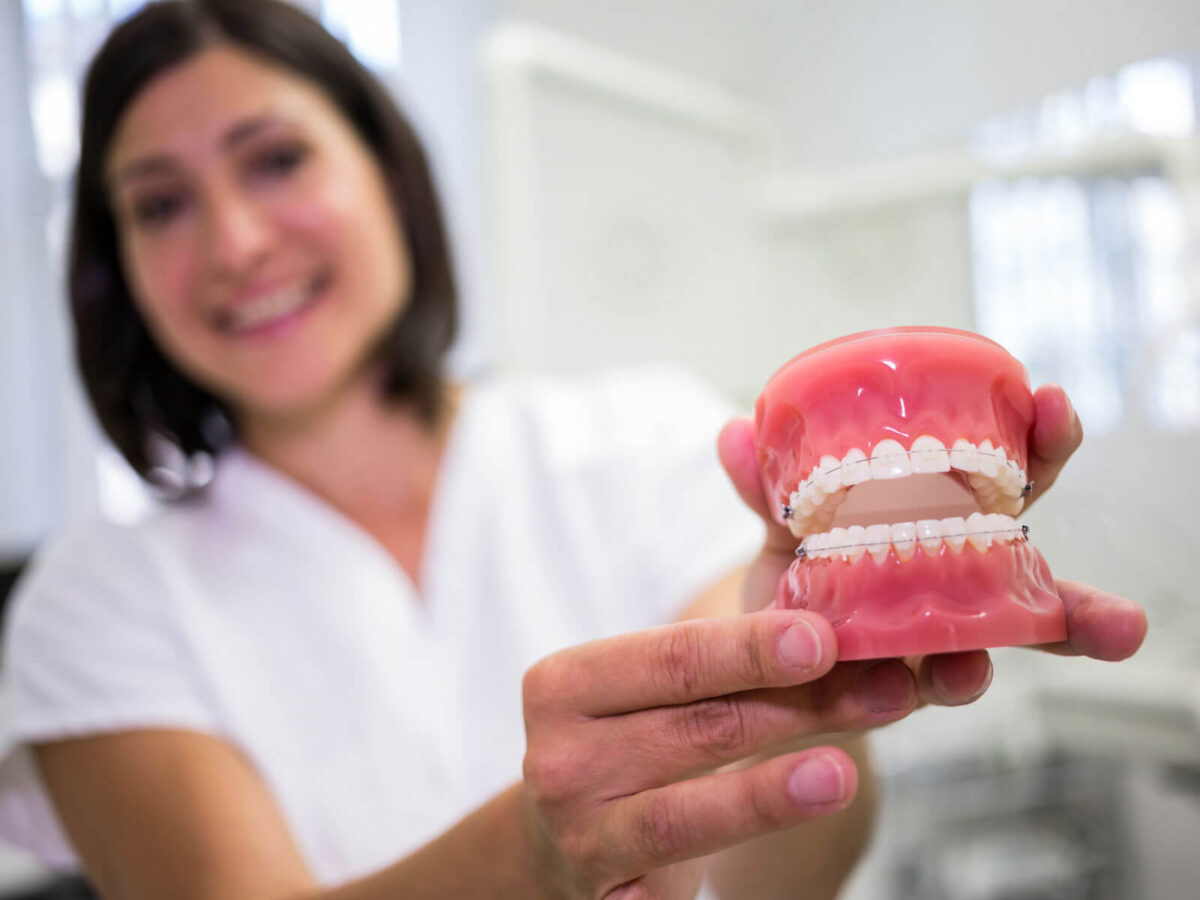
12 Signs You May Need Dentures Sooner Than You Think
Most patients who end up needing dentures didn’t see it coming. Not because the signs you may need dentures weren’t there. They were, often for years. A loose tooth here, a filling that keeps failing there. None of it feels urgent in isolation. By the time several of these things are happening at once, the options have already narrowed.
The patients who do best are the ones who came in before they lost everything.
TL;DR
- These signs that you may need dentures tend to build up quietly over time, not all at once.
- Loose teeth, gum disease that keeps coming back, repeated decay, trouble chewing, bone loss on X-rays — any one of these on its own is a flag. Several of them together means the conversation about tooth retention is overdue.
- About 1 in 5 adults over 65 have lost all their teeth.
- The earlier any of these signs that you need dentures get looked at, the more choices are still on the table.
1. Teeth That Have Started Moving
Teeth don’t just get loose on their own. The bone or ligament holding the tooth in place has to break down first. Gum disease is usually what starts that process, and it’s well underway before the tooth actually starts moving.
One loose tooth can sometimes be saved. Several at once is a different conversation, and one of the clearest signs you may need dentures a dentist will flag immediately.
2. Gum Disease That Keeps Returning
Gingivitis reverses with a professional cleaning. Periodontitis doesn’t. The bone and connective tissue lost to advanced gum disease don’t regenerate without significant intervention.
Each time it comes back, there’s a little less bone holding things in place. Periodontitis doesn’t reverse; it just moves at different speeds. Gum disease accounts for approximately 70% of adult tooth loss, making it the most consequential when should you get dentures indicator to take seriously early.
3. The Same Tooth Needing Work Repeatedly
Each filling removes some natural tooth structure. Each replacement takes a little more. A tooth restored three or four times has walls thin enough that another restoration becomes structurally unreliable.
When the same tooth keeps coming back, it’s not recovering between visits. The procedures are buying time, not solving anything. That pattern is one of the signs you may need dentures that’s easy to miss when you’re looking at each visit in isolation.
4. Severe or Persistent Tooth Pain
Pain that’s been there for weeks isn’t waiting for you to deal with it. It’s already dealing with the bone and tissue around the tooth.
One of my patients kept a painful back tooth going with painkillers for close to four months before coming in. By the time I saw it, the infection had moved well past the tooth. The pain had actually started to ease off by then, which she took as a good sign. It wasn’t.
5. Gums That Bleed Every Time
A lot of patients mention bleeding gums almost as an afterthought. It’s been happening so long they’ve normalized it. Bleeding that doesn’t stop with better brushing isn’t a hygiene problem. It means something is going on underneath that home care can’t reach.
Bleeding on probing at a clinical exam is one of the earliest measurable indicators of active periodontal disease. Caught at this stage, the bone underneath is usually still intact, and options are still open. Keep ignoring it, and when to get dentures becomes the conversation instead.
6. Avoiding Certain Foods
Most patients don’t bring this up themselves. It comes out when I ask about their diet. They stopped eating certain things months ago and just adjusted around it without thinking much of it.
Missing or compromised teeth push the load onto whatever is left. I’ve had patients come in with significant wear on just two or three teeth because everything had been loading onto them. It feels like adapting. It’s actually one of the signs you may need dentures that tells us the system is already failing.
7. Three or More Missing Teeth
Most patients don’t come in counting their missing teeth. It comes up in the exam.
Lose one tooth, and the ones around it start moving to fill the space. The tooth above or below drifts in too. By the time three or more are gone, that’s already happened in several places at once. I’ve had patients come in thinking they need one tooth replaced and leave with a very different conversation. Each additional gap speeds up the damage to whatever is left, and these are the when do you need dentures signs that make doing nothing no longer an option.
8. Teeth That Keep Fracturing
Teeth don’t usually fracture on soft food. When they do, something inside has already been weakened – deep decay, a large old filling, a crack that’s been slowly spreading. One fracture is bad luck. Multiple fractures in a short period means the same thing is happening in several places at once.
When I see it, the broken tooth is almost secondary. The real question is what the rest of the mouth looks like and how many others are in the same condition. That’s one of the signs you may need dentures that doesn’t always get recognized until it’s happened a few times.
9. Visible Changes Around the Mouth
Bone in the jaw stays dense because tooth roots keep stimulating it. Pull a tooth and don’t replace it, and that stimulation stops. The bone starts shrinking within months.
Over years, the face actually starts to change shape. The lower third collapses inward, the lips thin out, and the chin pushes forward. It happens gradually enough that most people don’t notice until they compare old photos. Most patients notice it in old photos before they connect it to their teeth. It’s one of the signs you may need dentures that becomes irreversible the longer it’s left.
10. Bone Loss on X-Rays
This one doesn’t hurt. Bone loss around tooth roots produces no symptoms. The only way to catch it is on an X-ray.
Bone loss shows up as a measurable reduction in height around the roots. A tooth with half its root exposed has a very different prognosis from one with healthy bone around it, regardless of how it feels. I’ve had patients come in for a routine exam and leave with a conversation they weren’t expecting. This is where “when to get dentures” planning often begins.
11. Dental Work That Keeps Failing
At some point, keeping the existing teeth stops making clinical sense. Crowns that fail. Root canals on teeth too compromised to hold them. Periodontal treatment that buys a few months before the disease is active again.
When should you get dentures is sometimes answered not by one dramatic finding but by this pattern. I’ve had patients spend years trying to hold onto teeth that were never going to stabilize. The work wasn’t being done badly. The foundation had just broken down past the point where anything individual was going to change the direction.
12. Infections That Keep Coming Back
A recurring abscess isn’t a dental problem that’s being managed. It’s a tooth that keeps reinfecting the area around it. Antibiotics knock it back for a while, but the source stays, and the source is inside the tooth.
Each cycle damages the surrounding bone a little more. I’ve had patients hold onto a tooth like this for months, and by the time they came in, the bone loss had spread further than it needed to. Holding onto it isn’t a safe waiting game. That’s one of the signs you may need dentures that makes acting sooner the better call.
Know Your Options Before You Lose More Teeth
Our Grangerland dental team assesses signs you may need dentures and gives you a clear picture of what’s still possible.
FAQs
What are the earliest signs you may need dentures?
Loose teeth, gum disease that keeps coming back, persistent bleeding, and decay on the same teeth over and over. Most of these show up years before anyone loses a tooth.
When do you need dentures – is there a defined point?
No single threshold. Signs accumulate over time. Mobility, bone loss, repeated treatment failures, and multiple missing teeth together give a clearer picture than any one finding alone.
When should you get dentures rather than keep saving teeth?
When the remaining teeth keep failing despite treatment, when bone loss has moved into significant territory, or when infections won’t stay resolved no matter what’s been tried.
When to get dentures if some teeth are still healthy?
Partial dentures work when some teeth are still sound. Full dentures come into the conversation when what’s left has a poor long-term outlook regardless of continued treatment.
Do dentures prevent further bone loss?
Regular dentures sit on top of the bone and don’t do anything to stop it from shrinking. Implant-supported dentures are different – the implants go into the jaw and keep stimulating it the way natural roots would.
Conclusion
Nobody walks in one day with a clear sign they need dentures. It builds up slowly. A tooth here, a failed restoration there, gum disease that keeps returning. By the time patients in Grangerland come in asking about dentures directly, several of these signs you may need dentures have usually been present longer than they realized.
The earlier these indicators get addressed, the more choices remain. Waiting until everything is gone takes implant-supported options off the table. Those depend on bone that resorbs while the waiting happens, and once it’s gone, it doesn’t come back.
Get a Clear Picture of Where Your Teeth Stand
Our Grangerland dental team gives you an honest assessment and a plan that makes sense for where you are now.