Blog
Dental hygiene tips for healthy teeth & gums
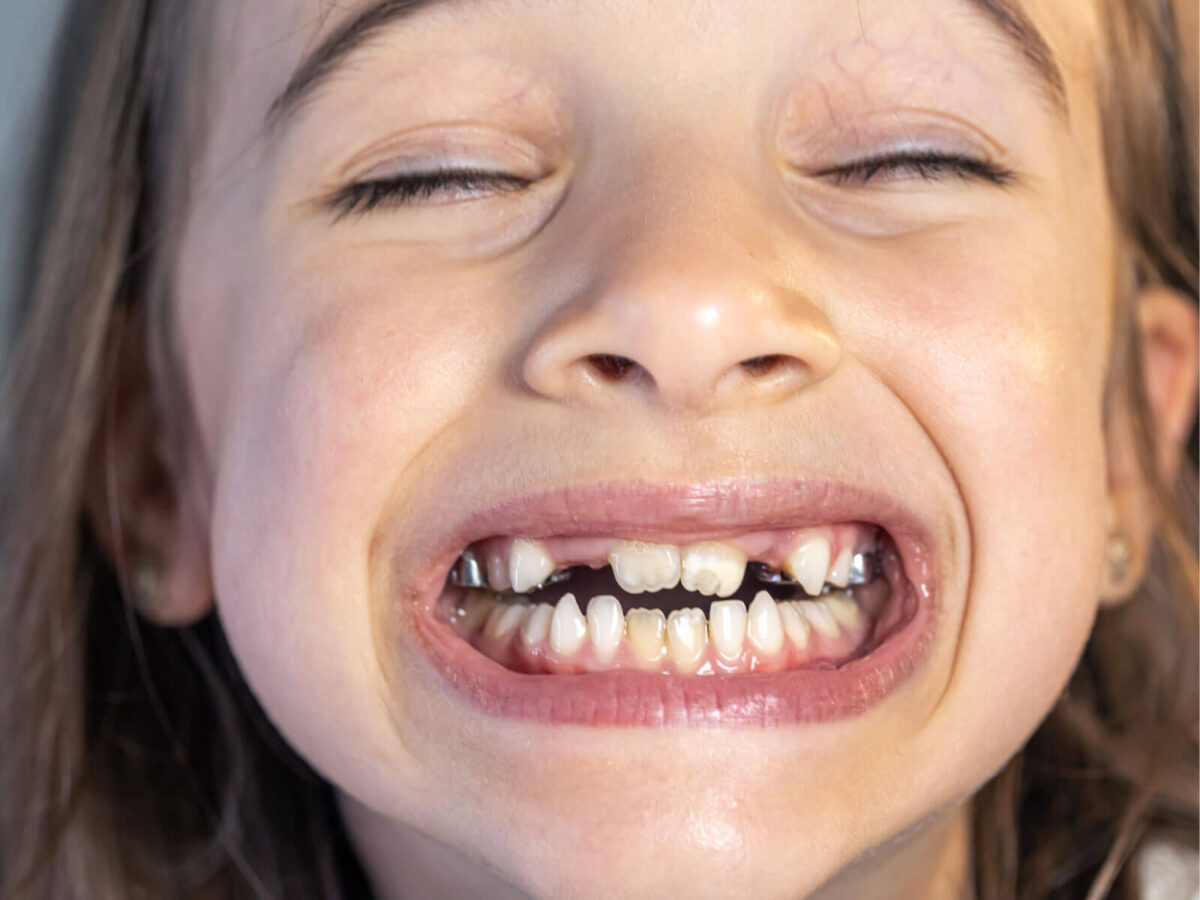
What Is an Open Bite? Causes, Symptoms & Treatment Options
What is an open bite, really? Bite down normally, and the front teeth still don’t meet. That gap, sitting right where a closed bite should be, is the whole definition.
Most people mean anterior open bite, the front-teeth version, when they use the term. A patient I’ve talked to described noticing it for the first time in a dental photo, not in the mirror. Causes vary a lot from case to case, and the fix usually depends on which one’s actually behind it.
TL;DR
An open bite means the front teeth stay apart even when the mouth’s closed all the way. Kids often get there from thumb sucking or tongue thrusting. In teens and adults, it’s more likely TMJ trouble or how the jaw grew in the first place.
Ignore it long enough, and it starts showing up elsewhere – harder chewing, changes in speech, teeth wearing unevenly. Fixing it can mean something as small as breaking a habit, or as involved as braces, an appliance, or jaw surgery depending on how far it’s gone.
Age matters a lot here. Catch it early, and the fix tends to stay simple. Wait, and the options start narrowing.
What Is an Open Bite
An open bite is one type of malocclusion. Cleveland Clinic uses that term for any bite where the upper and lower teeth don’t align properly on closing. With an open bite specifically, the front teeth stay apart even once the back teeth come together.
Anterior open bite is the version most people mean by the term. Healthline describes it as front teeth angled outward far enough that they never make contact, closed mouth or not. Posterior open bite goes the other direction and shows up far less often, back teeth staying apart while the front ones close fine on their own.
How Common Is It
Malocclusion touches more people than most would guess. Just over half the world’s population deals with some version of it, according to Cleveland Clinic, and kids and teens see it even more often since their teeth are still shifting into place.
Open bite sits under that same broad umbrella, alongside a handful of other bite problems dentists group together. Not every bite issue gets flagged for treatment. It usually depends on whether it’s actually causing trouble, chewing that feels off, speech that’s harder to control, or teeth that are wearing down unevenly.
Front vs. Back – The Two Types of Open Bite
Anterior open bite is the one most people picture, and the one most cases actually turn out to be. Easy to spot too, since the gap sits right in the smile line where anyone would notice it.
Posterior open bite is quieter. Molars in the back don’t meet, front teeth close normally, and nothing looks obviously wrong at a glance. Chewing gets harder anyway, just less visibly so. Both fall under the same broad term, though which teeth are involved changes how each one gets diagnosed and treated.
What Causes an Open Bite
Open bite causes cluster into a handful of categories. Most cases trace back to one of these.
Thumb or Pacifier Sucking. Steady pressure from a sustained sucking habit pushes front teeth outward over months and years. The most common cause by far in young kids.
Tongue Thrusting. Pushing the tongue between the front teeth during speech or swallowing does something similar, forcing teeth apart bit by bit.
TMJ Disorders. Jaw joint pain sometimes leads someone to reposition their tongue for comfort. That habit, repeated enough, can produce an open bite as a side effect nobody intended.
Skeletal Growth Patterns. Genetics sometimes make the jaws grow apart instead of parallel. No habit involved here, just development.
These causes aren’t mutually exclusive either. A child with a thumb-sucking habit can carry a genetic tendency toward certain jaw growth patterns too, and the two together just make an open bite more likely than either one on its own.
What Symptoms Actually Show Up
Speech changes tend to show up first, often a lisp or trouble with certain sounds. Biting into food with the front teeth gets harder too, sometimes noticeably so.
Back teeth pick up extra wear over time, since they’re doing work the front teeth normally handle. Chips and fractures can follow if it goes on long enough.
Confidence takes a hit for some people too. A visible gap when smiling starts as a cosmetic thing but doesn’t always stay that way. Some people seek treatment for that reason alone, no functional problem needed.
Wondering If Your Bite Needs Attention?
Get a quick evaluation from a dentist or orthodontist. Find out what’s actually going on.
What Is Open Bite Treatment Like
Open bite treatment hinges on age and cause. An orthodontist or dentist builds the plan around both, not a one-size answer.
Behavior Modification. Thumb sucking and tongue thrusting fall into this category. Catching it early and stopping the habit can fix the bite on its own, no other treatment needed.
Braces or Clear Aligners. Mechanical repositioning, gradual and steady. Usually the go-to once behavior changes alone aren’t cutting it.
Appliances. A roller appliance blocks tongue thrusting physically. Headgear applies outside force to steer jaw growth for more severe developmental cases.
Jaw Surgery. Reserved for adults with a skeletal open bite too significant for braces alone. Plates and screws reposition the jaw itself, usually bracketed by orthodontic treatment before and after.
Does Age Change the Outcome
Age matters a lot here. A growing jaw is easier to guide into place, so kids tend to see faster results with less involved treatment. Once growth stops, an adult usually needs both surgery and orthodontics to get the same result.
Cost and time follow that same pattern. A young child working through behavior modification might need nothing more than a few checkups and some patience. An adult with a skeletal open bite could be looking at over a year of combined surgical and orthodontic treatment before the bite is fully corrected.
What About Open Bite in Children
Open bite in children often resolves on its own when it’s tied to a habit they’re still outgrowing. Thumb sucking and pacifier use usually fade by around age four. Once the habit’s gone, the bite has a real shot at correcting itself.
Healthline recommends a dental evaluation around age seven, while some baby teeth are still in place. That’s early enough for a dentist to try behavior-focused treatment before permanent teeth come in and lock the pattern into place.
If the open bite is still there once adult teeth arrive, custom braces to pull the teeth into position usually become the next step.
FAQ
Does an open bite always need treatment?
Not always, especially for young kids. Sometimes it fixes itself once a habit goes away. Speech trouble, chewing problems, or visible wear are usually what tip it into treatment territory.
Can adults fix an open bite without surgery?
Sometimes, if the case is mild enough for braces to handle on their own. A more significant skeletal problem is a different story. That usually means surgery alongside the braces.
Open bite and overbite – same thing?
They’re apples and oranges here. Overbite is too much overlap up top. Open bite is a gap where the teeth should be meeting and aren’t.
What happens if treatment ends up skipped?
Usually gets worse, not better. Speech and chewing take the first hit, and the back teeth end up doing more work than they’re built for.
Does thumb sucking always cause an open bite?
Not necessarily, but the habit sticking around past toddlerhood raises the odds. Kids who stop around age four usually keep the bite on track.
Conclusion
What is an open bite? At almost any age, there’s a way to treat it. Catching it early makes the biggest difference, especially while baby teeth are still around, since that’s usually when the fix is simplest.
Anyone noticing a gap between their front teeth when biting down should get it looked at rather than guess. A dentist or orthodontist can tell what’s driving it and what actually needs to happen next.
Ready to Get Your Bite Evaluated?
Find out what’s causing your open bite and how to fix it. One visit gets you real answers.