Blog
Dental hygiene tips for healthy teeth & gums
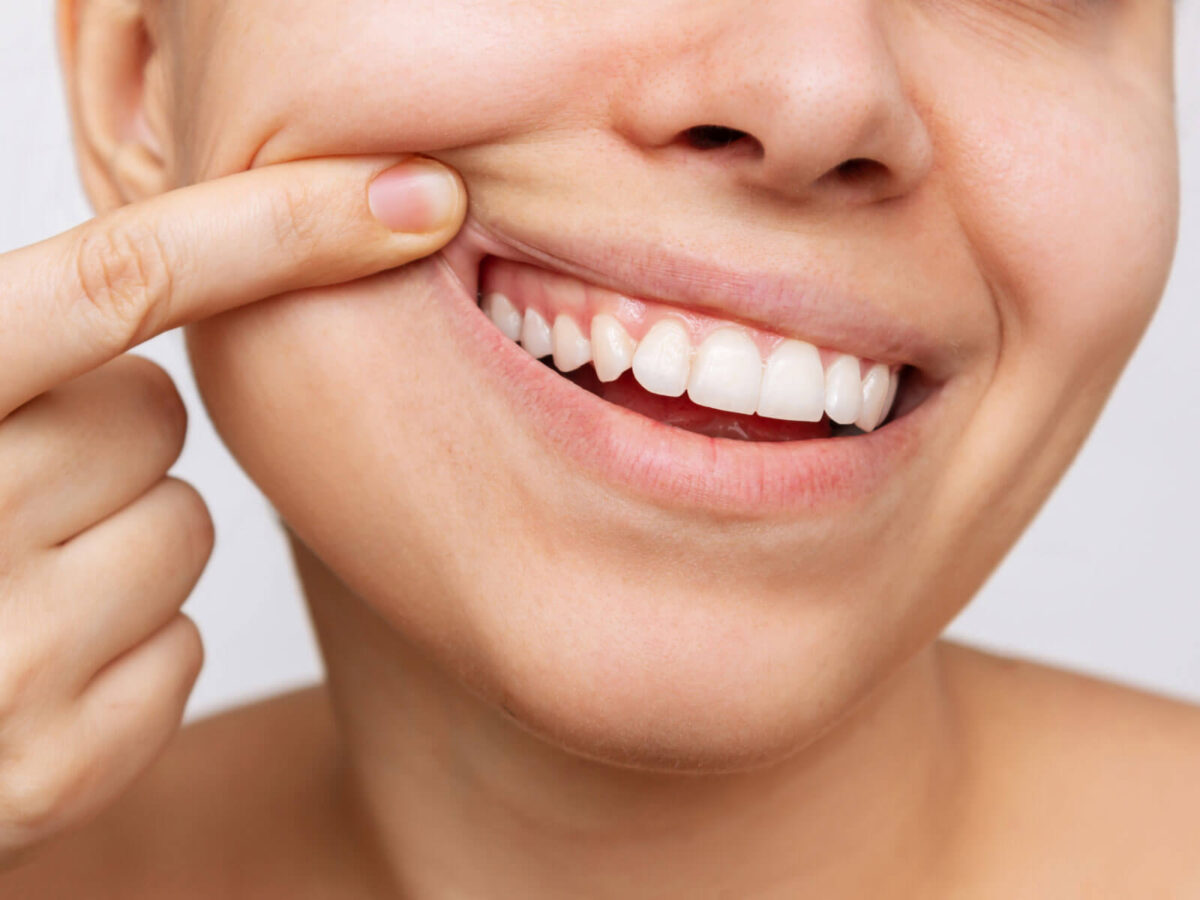
Best Foods for Gum Health, Recommended by Dentists
Most patients want to start with brushing technique, and that’s a reasonable place to start. But working with patients in Grangerland over the years, the ones whose gums look really different at follow-up have almost always changed something about what they eat, not just how they clean.
Nobody connects those two things at first. It’s not obvious that a meal choice has anything to do with what’s happening at the gum line. But tissue is tissue. It responds to what you feed it.
Foods for gum health won’t replace a cleaning or treat active disease. What they do is change the environment your gums are working in every single day.
TL;DR
- The seven foods for gum health covered here: leafy greens, fatty fish, green tea, dairy, crunchy vegetables, citrus, and onions.
- They don’t all work the same way. Inflammation, tissue structure, bacterial load – each one targets something different.
- Nearly 47% of adults over 30 in the US have some form of gum disease. Daily food choices are part of what’s driving that number.
- Food won’t fix active disease. But it changes the environment your gums are dealing with.
1. Leafy Greens: The Foundation of Foods Good for Gum Health
Folate doesn’t come up much in these conversations, but it should. Spinach and kale have it in decent amounts, and it’s directly involved in how gum tissue repairs itself after inflammation. Not glamorous, but it matters more than most patients expect.
The vitamin C piece is more familiar. Collagen in gum tissue depends on it, and without enough, that structure degrades faster than it should. A 2021 review in PMC found a clear association between vitamin C intake and periodontal health outcomes across several study populations.
One more thing worth mentioning: leafy greens actually require some effort to chew. More chewing means more saliva, and saliva is doing real work at the gum line, clearing out debris and bringing the pH back down after meals. Not a bad bonus.
2. Fatty Fish: One of the Most Effective Foods to Improve Gum Health
Omega-3s get talked about constantly for heart health. The gum connection is less well known.
Salmon, mackerel, sardines – the EPA and DHA in fatty fish have a measurable anti-inflammatory effect at the tissue level. Periodontal disease isn’t just a bacterial problem. A significant portion of the tissue damage comes from the body’s own inflammatory response, and omega-3s interfere with that process. NIH research has pointed to reduced probing depths and less clinical attachment loss in periodontitis patients with higher omega-3 intake.
For patients who don’t eat fish, flaxseed and walnuts get you some of the way there. The conversion from ALA isn’t as efficient, but it’s not nothing.
3. Green Tea: Food for Healthy Gums With Research Behind It
Green tea has more periodontal research behind it than most patients expect when I bring it up.
The antioxidants in green tea, catechins, go after the inflammatory response that gum disease bacteria set off in the tissue. Keep in mind that the CDC puts periodontal disease in nearly half of US adults over 30. That’s a lot of people whose gums are already dealing with chronic inflammation.
A study via NIH found that patients who drank green tea regularly had measurably better periodontal health – lower probing depths, better attachment levels.
One thing I always mention: it needs to be unsweetened. Most bottled green tea has enough sugar to undo what the catechins are doing.
4. Dairy: Supporting Foods for Gum Health Through Bone and pH
Most patients don’t think about bone when they think about gum health. Dairy brings calcium and phosphorus, which is what keeps alveolar bone dense. That’s the bone teeth are sitting in. I’ve had patients lose significant bone to periodontitis, and the recovery conversation is a lot harder than the prevention one.
Cheese specifically raises oral pH after eating, which works against the acidic conditions that bacterial colonies prefer. Yogurt with live cultures adds something else – competing bacterial strains that crowd out some of the more problematic species in the mouth.
One thing worth specifying: plain, unsweetened yogurt. The flavored versions with added sugar are undermining whatever the probiotics are doing.
5. Crunchy Vegetables: Foods Good for Gum Health That Work Mechanically
The reason I include carrots and celery in any conversation about foods for gum health isn’t just about vitamins, though those matter.
Chewing them hard enough to get through takes sustained effort, and that effort drives saliva production. Patients are always surprised when I bring up saliva in this context. It’s doing more than they think. It keeps bacterial counts down, brings acid levels back after meals, and plays a role in keeping enamel intact. Beta-carotene from carrots is worth talking about too. The body converts it to vitamin A, which is what keeps the gum tissue lining from breaking down.
Celery specifically – the fibrous strands move against contact points between teeth where plaque tends to sit. It’s a crude version of flossing. Not a substitute, but not useless either.
6. Citrus Fruits: Managing the Balance in Foods to Improve Gum Health
The reason citrus makes this list comes down to vitamin C. Gum tissue collagen synthesis depends on it, and the Mayo Clinic is clear that vitamin C is central to the body’s tissue repair processes. That extends directly to the periodontium.
The acid is where it gets complicated. Eating an orange at lunch is not the same as sipping orange juice for an hour. The fruit is the same. What the teeth are exposed to is completely different. Citrus with a meal rather than alone limits that window. I tell patients to rinse with water after and give it at least 30 minutes before they brush. The acid leaves enamel temporarily soft, and brushing into that does more damage than most people would guess.
7. Onions: The Least Expected Food for Healthy Gums
When patients ask me about diet and gum health, onions never make it into the conversation. That changes once I bring it up.
What raw onions have going for them is sulfur. Those compounds have antibacterial activity, and one of the bacteria they go after is Porphyromonas gingivalis, which does a lot of the actual tissue destruction that happens in advanced gum disease.
Cooking breaks down those sulfur compounds fairly fast, so the benefit is mostly raw. I’m not recommending them before coming in. But when worked into a regular diet, they bring something to food for healthy gums that nothing else on this list does.
Ready to Support Your Gum Health From Every Angle?
Good nutrition is one part of it. A professional evaluation covers the rest.
FAQs
Why food instead of just taking a vitamin?
Supplements isolate one thing. Food packages nutrients together in ways that actually work better in the body. Vitamin C from an orange isn’t the same as vitamin C in a pill.
Can food alone reverse gum disease?
No. I tell every patient the same thing – active disease needs treatment. Eating well supports the tissue, but it won’t undo damage that’s already there.
I know what to eat – but what should I actually be cutting back on?
Sugar, sticky carbs, and acidic drinks. The frequency is what really matters. Having them once with a meal is very different from reaching for them all day. Constant exposure is what keeps bacteria fed and the pH around the gum line low.
How quickly do dietary changes affect gum health?
I’ve had patients come back six weeks later with noticeably less inflammation after cleaning up their diet. Structural changes are a much longer process and won’t show up on an X-ray any time soon.
Conclusion
Brushing and flossing take up most of the conversation in the chair. That’s worth talking about. But gum tissue doesn’t just respond to cleaning. It responds to everything. What’s consumed daily is either supporting that tissue or quietly working against it.
The seven foods for gum health here each do something specific. None of them are dramatic on their own. Together, over time, they shift what the gums are dealing with every day.
For patients thinking about foods to improve gum health, it’s a good place to start, but what’s happening below the gum line still needs to be looked at by someone who can actually measure it.
Your Gums Deserve More Than Good Intentions
Pair good nutrition with a proper periodontal evaluation.