Blog
Dental hygiene tips for healthy teeth & gums
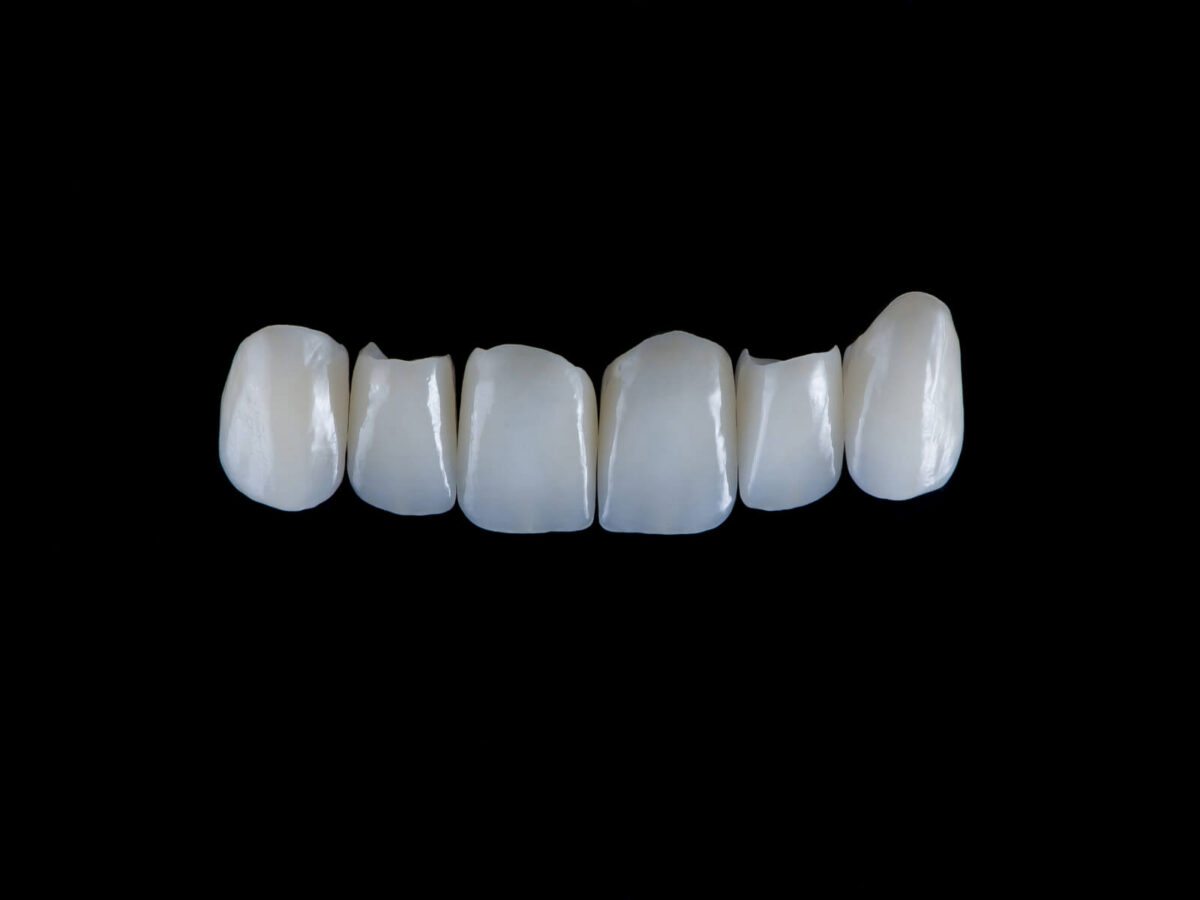
How Dental Crowns Restore Tooth Strength After A Root Canal
Root canals get a bad reputation. Most people think of needles, drills, and long procedures. But root canals aren’t as scary as most people think. They actually save teeth that would be lost to decay or infection. As the dentist works, they remove the damaged pulp, clean the tooth’s interior, and close it so no new issues develop.
Even after the pulp is gone, the tooth becomes weaker. The tooth can’t flex or hold up like before. Picture it as an empty chocolate bunny. The shape is there, but it can crack easily if you bite too hard. That’s why a dental crown after root canal is so important.
A crown restores tooth strength after a root canal. It protects the treated tooth from breaking and keeps it functional for years. At a reputable Grangerland Dental Office TX, dentists explain that the crown completes the treatment. Without it, the tooth could fracture under normal pressure, and that could mean more treatment later.
Why a Tooth is Vulnerable
When a root canal is performed, the pulp is removed. This tissue carries blood vessels and nerves. Removing it stops the infection but leaves the tooth brittle. Patients often wonder, “It’s still there, so why is it weaker?” The answer is simple. Without pulp, the tooth cannot absorb stress like a natural tooth.
Even normal chewing can put pressure on the treated tooth. That’s why a crown is recommended almost every time. A crown is like a protective shell. It distributes biting forces evenly and prevents fractures. Dentists at a Grangerland Dental Office TX explain that without a crown, a tooth could break unexpectedly.
How a Crown Works
A crown goes over the whole part of the tooth that you can see. It protects against cracks, restores chewing function, and prevents bacteria from entering. It also helps the tooth look nicer. Teeth that were damaged or discolored start to look more natural.
Many patients feel relief right after the crown is placed. Chewing feels normal again. The tooth feels solid. Crowns are not just cosmetic. They are essential to restore tooth strength after root canal.
Types of Crowns
Crowns come in several materials. Each works best depending on the tooth and its purpose. A Grangerland Dentist TX will help choose the right one:
- Porcelain crowns: Look like real teeth and blend in with the others. They are often used for front teeth.
- PFM Crowns: Strong and look natural. They’re mostly used on molars.
- Zirconia crowns: Durable and look natural. Suitable for teeth all over your mouth.
- Metal Crowns: Very strong, usually for back teeth where looks are less important.
The right crown keeps your bite steady, strengthens the tooth, and looks natural, too. At a Grangerland Dental Office TX, dentists carefully take measurements and impressions so the crown fits right.
Strength Restoration
After a root canal, the tooth is fragile. Crowns reinforce it. It is like repairing an empty wooden chair. Adding strong support makes it stable again. Crowns do the same for teeth.
Patients notice the difference immediately. Biting, chewing, and even speaking feel normal. The tooth can withstand everyday pressure. At a Grangerland Dental Office TX, crowns are carefully shaped so the bite feels natural and comfortable.
Stopping Future Tooth Problems
Your tooth might still crack or wear down, even after a root canal. A crown helps, kind of like a tiny shield. You might not even notice it most days. Visit your dentist every once in a while. If anything seems off, they can sort it out before it gets worse. With a crown, your tooth usually sticks around and feels stronger.
The Procedure
Most crowns require two visits:
- First Visit: The dentist shapes your tooth and takes a scan or impression, whatever works best. A temporary crown is placed on the tooth. It keeps it protected while the permanent crown is being made, so you can carry on eating and talking normally.
- Second Visit: The permanent crown is placed and cemented. Numbing medicine keeps you comfortable.
When the crown is finally in place, it feels natural and strong. Many people barely notice which tooth had the treatment. It just feels like part of their mouth.
Additional Benefits
Crowns do more than restore strength. They improve appearance and restore confidence. Teeth that were damaged or looked off usually end up looking normal again.
Patients report feeling more confident eating, speaking, and smiling. Crowns complete the root canal process. They help your tooth work like it should and keep it protected at the same time. In short, crowns handle the tooth’s strength and appearance. This makes life a little easier for your tooth.
Longevity
With the right care, crowns can last up to a decade or more. Brush and floss every day. Also, keep up with your dental visits. Don’t chew on ice or very hard foods, as these can damage the crown with time.
A Grangerland Dentist TX can provide tips for extending the crown’s lifespan. The goal is a tooth that stays strong and works well. It should also look natural for many years.
Daily Care
Daily care is simple. Brush twice a day and floss once a day. Try to avoid very hard foods. For those who grind at night, a night guard can keep both the crown and nearby teeth safe from damage.
Most patients find that after a little time, eating and talking work normally again. The crown supports the tooth without requiring extra effort.
When to See Your Dentist
Even with a crown, regular dental visits are important. Dentists at a Grangerland Dental Office TX will check for damage, gum health, and crown stability.
If there’s any discomfort, sensitivity, or damage, get in touch with your Grangerland Dentist TX as soon as possible. Early care helps preserve the crown and the tooth and can prevent further work.
Why Crowns Matter for Comfort and Confidence
Crowns give peace of mind. Patients no longer worry about breaking a treated tooth. Eating, speaking, and smiling feel natural again.
Many patients describe the tooth as “back to its original strength.” The crown completes the root canal treatment, giving both functional and emotional relief.
Why Crowns Are Essential
Root canals save the inside of a tooth. But the tooth can still be weak after that. A crown helps it. It keeps it firm and safe. It also makes the fit with your other teeth. Once the crown is on, the tooth can last a long time. You can eat and talk without worry.
Conclusion
Root canals save teeth from damage. A crown makes the tooth stronger and keeps it safe. It also helps it look natural.
Consult a Grangerland Dentist TX, to discuss crown options. At a trusted Grangerland Dental Office TX, dentists guide patients through material choices, fit, and care.
Do not leave a treated tooth unprotected. Crowns play a key role in repairing strength after a root canal and in protecting overall dental health.