Blog
Dental hygiene tips for healthy teeth & gums
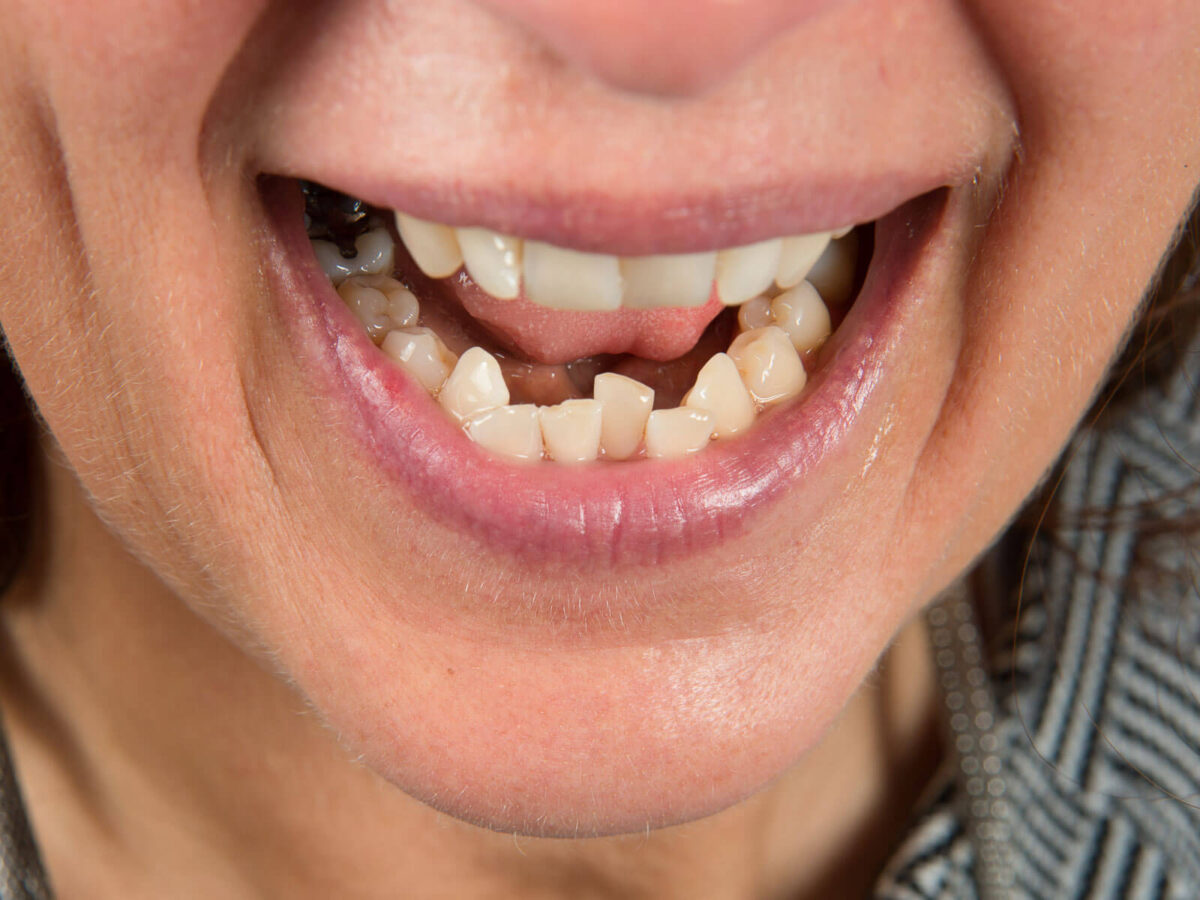
Teeth Overcrowding: Causes, Symptoms & Treatment Options
Overcrowding teeth comes down to a basic math problem. Too many teeth, not enough jaw to hold them properly. Teeth twist, overlap, shove into whatever space is left, sometimes rotating almost sideways just to fit.
Picture a small elevator packed past capacity. Bodies technically fit in there, but only by leaning into each other’s space. Crowded teeth do the same thing inside the jaw, minus the option to step out at the next floor.
TL;DR
Not enough room in the jaw for every tooth to sit straight. That’s the whole idea behind overcrowded teeth. Genetics is one piece of it. A baby tooth lost too early is another. Jaw size just runs smaller than the teeth need in a lot of cases too.
Cavities and gum problems get more likely once crowded teeth go untreated for long, mostly because tight spaces are harder to keep clean with a normal brushing routine. Braces and aligners cover most cases. Extraction comes up for the more severe ones.
Kids and adults don’t always follow the same treatment path, and starting earlier tends to make things easier.
What Is Teeth Overcrowding
Overcrowding teeth means there are more teeth than the jaw can fit cleanly. Something gives – a tooth twists sideways, another overlaps its neighbor, one gets pushed back out of the arch entirely.
Jaw size is usually the root of it. Too small for the teeth trying to grow in, or the teeth themselves came in larger than average. Either way, it’s a spacing problem before it’s anything else. Cleveland Clinic groups it under malocclusion, the broader term for any bite that doesn’t line up the way it should.
Orthodontists see it constantly. MouthHealthy names crowding as one of the main reasons people end up in braces or aligners in the first place.
How Severe Can It Get
Crowding ranges from mild to severe. A slightly rotated front tooth counts as mild. Multiple overlapping teeth, or teeth pushed completely outside the normal arch, sit on the severe end.
Mild cases sometimes clear up with a short course of aligners, but more severe ones often start somewhere else entirely, pulling a tooth or two first just to make room before straightening can even begin.
A dentist or orthodontist figures out that room in millimeters, checking what’s actually available against what the teeth need to sit right. That number ends up shaping the whole plan.
What Causes Crowded Teeth
Crowded teeth causes cluster into a handful of factors, usually working together rather than showing up alone.
Genetics. A smaller-than-average jaw, or larger-than-average teeth, sets crowding up from birth. The single most common underlying cause by a wide margin.
Early Loss of Baby Teeth. Neighboring teeth start drifting once one comes out too soon, closing in on the gap. That leaves less room for the permanent tooth once it’s ready to come in.
Late Loss of Baby Teeth. Works the other way too. A baby tooth that hangs on too long can get in the way of the permanent tooth trying to erupt.
Wisdom Teeth. Not enough room back there sometimes means the whole row gets pushed out of place, undoing what might’ve been years of stable alignment.
Diet plays a smaller role too. A few researchers have linked softer, more processed modern diets to smaller jaw development across generations. Genetics still does most of the work in any one case, but diet’s earning more attention as a piece of the puzzle.
Genetics rarely works by itself. Pair a small jaw with early tooth loss and the crowding tends to end up worse than either would’ve caused alone.
Signs Overcrowding Might Be a Problem
Overlapping or twisted teeth are usually the first sign, though not always obvious. Sometimes a dentist catches it before the person even notices anything’s off.
Crowded teeth are just harder to keep clean. Toothbrush bristles can’t get into the tight overlaps the way they can with a normal row, and that missed plaque is where cavities and gum problems usually start.
Severe cases bring on more than crooked teeth. Jaw discomfort shows up. The bite feels off. Some people notice they’re biting their cheek or tongue more often, since crowded teeth tend to leave sharper, less forgiving edges than a normal row.
Wondering How Severe Your Crowding Is?
Get a quick evaluation from a dentist or orthodontist. Find out what your case actually needs.
What Is Crowded Teeth Treatment Like
Braces or Clear Aligners. This handles most mild-to-moderate cases, gradually shifting teeth into place through steady pressure applied over months, sometimes stretching to a couple of years for more complex shifts.
Extraction. Pulling a tooth or two makes room before anything else can move, and in a more severe case, that’s often the only realistic path forward.
Palatal Expansion. Works especially well for kids whose jaws haven’t finished growing yet. Gradually widening the upper jaw over several weeks creates enough room on its own, no extraction involved.
Interproximal Reduction. A dentist files down a tiny sliver of enamel between certain teeth, painless and quick, usually just a few tenths of a millimeter per tooth. Often paired with aligners to squeeze out a bit of extra room for mild cases.
Does Treatment Timing Matter
Catching crowding early, while a child’s jaw is still growing and pliable, generally opens up more options and gentler treatment overall. A growing jaw responds to guided pressure in ways an adult jaw simply doesn’t anymore.
By adulthood, once growth has stopped entirely, the choices narrow. Extraction or a more involved combination of orthodontics tends to become the default instead of one option among several. Treatment usually stretches out longer too, sometimes taking well over a year to reach a fully corrected bite where a child might’ve gotten there in a fraction of the time.
What About Crowded Teeth in Adults
Crowded teeth in adults show up in most orthodontists’ schedules on a weekly basis. Sometimes it’s leftover from childhood. Sometimes it’s crowding that came back years after treatment supposedly fixed it.
Teeth don’t stay put forever, even after braces. Skip the retainer long enough, and that slow drift can bring the crowding right back years later.
Treatment works largely the same as it does for teens, just without a growing jaw to help things along. Braces still work. So do aligners and interproximal reduction. The jaw being done growing just means treatment usually takes a bit longer to land in the same place.
Retainers matter more the second time around too. Skipping retainer wear, even for a few months, is one of the most common reasons crowding creeps back years after braces first corrected it.
FAQ
Can crowded teeth fix themselves without treatment?
No. Crowding usually just worsens with age. Catch it early, and the fix tends to stay simpler.
Is teeth crowding purely cosmetic?
No. Crowded teeth trap plaque a toothbrush can’t reach, which is where most of the cavity and gum risk comes from. Jaw discomfort can join in too, once a case gets severe enough.
Do adults have fewer treatment options than teens?
Not fewer, just slower. An adult’s jaw is done growing, so treatment tends to take more time to reach the same result.
Does everyone with crowded teeth need extraction?
No, only the more severe cases where there just isn’t room any other way.
How long does treatment usually take?
Mild to moderate cases wrap up in a year or two, usually. Severe cases needing extraction or jaw guidance can stretch out longer.
Can crowded teeth affect speech?
Sometimes, in the more severe cases. Teeth involved in certain sounds can shift enough to change how those sounds actually come out.
Conclusion
Overcrowding teeth sends more people to the orthodontist than almost anything else. Left alone, it tends to stick around or get worse. Starting early keeps the fix simpler, and adult treatment still gets there, just usually on a longer timeline.
Anyone noticing overlapping or twisted teeth is better off getting a real evaluation than guessing at severity. That’s the fastest way to know what a specific case actually needs.
Ready to Address Your Crowded Teeth?
Find out what treatment fits your case best. One visit gets you a real answer.