Blog
Dental hygiene tips for healthy teeth & gums
What Are Dental Veneers? Types, Benefits, and Cost
People often start thinking about cosmetic dentistry in unexpected moments. Maybe someone sees a photo from a wedding or a family event. The smile looks a little different from what it did years ago. One tooth seems darker. Another looks slightly chipped. Nothing painful. Just something noticeable. That is usually when the word “veneers” enters the conversation.
A friend may mention them. Someone might see a celebrity interview talking about them. Soon, the curiosity begins. What are veneers? The simple explanation is this. Veneers are thin layers placed over the front of teeth. They improve the appearance of a tooth without removing the natural tooth underneath.
For many years, dentists have used veneers to improve smiles while keeping most of the natural tooth in place.
Interest in veneers has grown over the years. More people are asking about them. A review in the journal Healthcare noted that cosmetic dental treatments have increased a lot during the past decade. This includes veneers. Many patients today pay closer attention to how their smile looks.
That trend explains why questions about teeth veneers appear so often during dental consultations today.
What Are Veneers
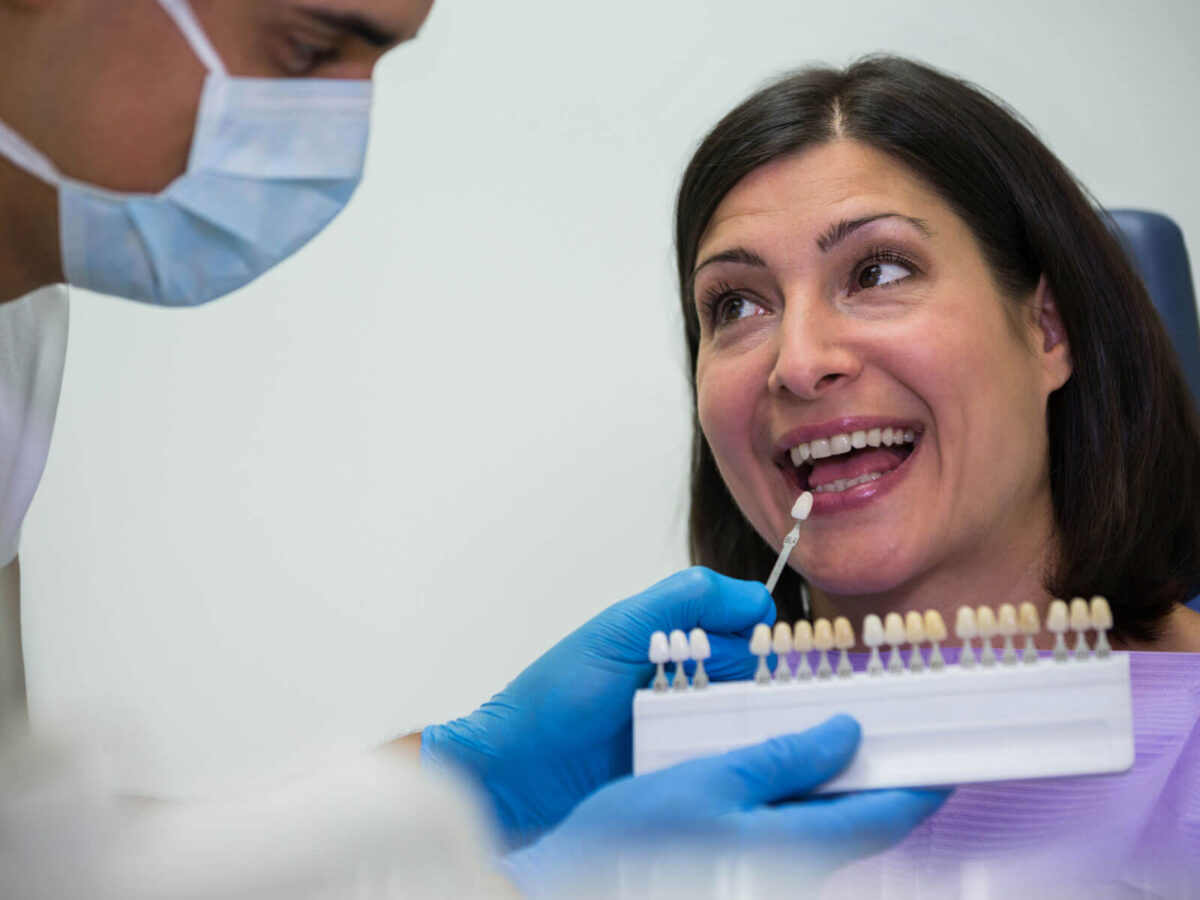
To picture what veneers are, think about a slim covering made to fit the front surface of a tooth. It is individually made. A color is chosen so it looks like the other teeth. The veneer is attached to the tooth. After that, it becomes the visible front.
The original tooth remains underneath. The veneer does not replace it. Instead, it upgrades the way the tooth looks. This makes veneers useful for hiding several cosmetic issues. Minor chips, uneven edges, or even tough stains.
Dental research has looked closely at veneers. One reason they are used so often is simple. They can change the color and shape of a tooth without removing much of the original tooth. This approach helps explain why veneers are still popular for cosmetic treatments.
Why People Go For Dental Veneers
A smile does not always stay the same over the years. Teeth can become darker from coffee or tea. Certain medications may cause staining too. Over time, tiny chips or cracks may show up. The way certain teeth are shaped can leave small gaps. Veneers are sometimes used to improve how the smile looks in these cases.
Many surveys suggest that people care a lot about their smiles. For many, it affects how confident they feel. One national survey even found that more than 70 per cent of adults believe a healthy smile influences confidence and social interactions.
Because veneers can improve the visible surface of teeth, they often become part of smile makeover treatments.
Types of Dental Veneers
Two materials are commonly used when dentists create veneers. Porcelain is one of them and is chosen quite often. These thin coverings are produced in a dental laboratory. The shade and shape are chosen to match other teeth. The surface reflects light in a way that helps it look like a real tooth.
Another option uses composite resin. This material matches the color of teeth. Instead of being made in a lab, it can be shaped by the dentist directly on the tooth.
Both materials have their own benefits. Porcelain tends to keep its color and can last for many years. Composite veneers are usually quicker to place. Sometimes the tooth does not need much preparation. The dentist may even finish the procedure in one appointment. Knowing this helps people understand how veneers are used.
How Do Veneers Work
A common question patients ask is simple: How do veneers work? Dentists often start by walking them through the procedure. The dentist checks the teeth and talks through the patient’s goals.
In many cases, a tiny amount of enamel is adjusted. Only from the front surface. This allows the veneer to sit flat and look natural. Next comes measuring. Dentists may use digital scans. Sometimes they take impressions instead. These measurements help create veneers that match the nearby teeth.
At the final step, the dentist fixes the veneers to the teeth using dental bonding. The result can be easy to notice. Teeth often look smoother. And brighter.
How Long Veneers Usually Last
Another question people often have is about durability. Many want to know how long veneers actually hold up. Research on porcelain veneers has shown encouraging results. In one long-term clinical review, more than 90 per cent were still performing well after ten years.
Another study looked at veneers over an even longer period. Around 91 per cent were still in place after twenty years when patients kept up good oral care.
These studies point to the same idea. Veneers may last for many years when they are placed well and cared for properly.
Benefits of Teeth Veneers
There are several reasons patients choose teeth veneers. One clear benefit is how the smile looks afterwards. They can mask dark areas and make uneven teeth appear more balanced.
Strength is another reason people choose porcelain veneers. They are made to handle daily biting and chewing. In many cases, they also stay brighter than natural enamel.
A clinical review published through the National Library of Medicine reported survival rates above 96 per cent for porcelain veneers after five years of use. These results show why veneers remain a dependable cosmetic option.
Cost of Dental Veneers
Cost varies depending on several factors. The material used is one factor. Porcelain veneers usually cost more because they are custom-created in a laboratory.
The number of veneers also affects cost. Some patients place veneers on one or two teeth, while others treat several teeth across the front of the smile. Dental practice location and treatment complexity may also influence the price.
Veneer prices are not always the same. According to dental sources, they may range from about $1,000 to $2,500 for a single tooth. The material and the clinic location often affect the cost.
Since veneers are mainly cosmetic, insurance plans often provide little coverage.
Daily Care for Veneers
Taking care of veneers is fairly simple. The same daily habits used for natural teeth still apply. Even with veneers, plaque can collect near the edges. Brushing helps keep that under control. Flossing also helps protect the gums and the tooth that sits below the veneer.
A few habits are better avoided. Chewing ice is a common one. Using teeth to open packages can also cause problems. Little habits matter more than people think. Over time, they can influence how well veneers hold up. Dental checkups help too. During those visits, the dentist can see if everything still looks healthy.
FAQs
When do dentists suggest veneers?
They may suggest them for teeth that look dark, chipped, or uneven.
How do veneers hide dark teeth?
They cover the front layer of the tooth and block the stain from view.
Will veneers stand out in a smile?
Most are made to mix with the surrounding teeth.
How long do veneers normally last?
Quite often, around ten years. Sometimes longer, with proper care.
Final Thoughts
Once people understand what veneers are, the popularity makes more sense. They are thin covers placed on the front of teeth. The goal is simple. Improve the way teeth look while keeping the natural tooth mostly untouched.
Dental research has followed veneers for long periods of time. Daily oral care plays a big role in keeping them strong. Dental checkups help as well. For someone looking to improve the look of their smile, veneers can be one possible choice.
Thinking about renewing your smile? A dental visit can help answer a lot of questions. The dentist can look at your teeth first. Then they can explain whether veneers might make sense for your situation.