Blog
Dental hygiene tips for healthy teeth & gums
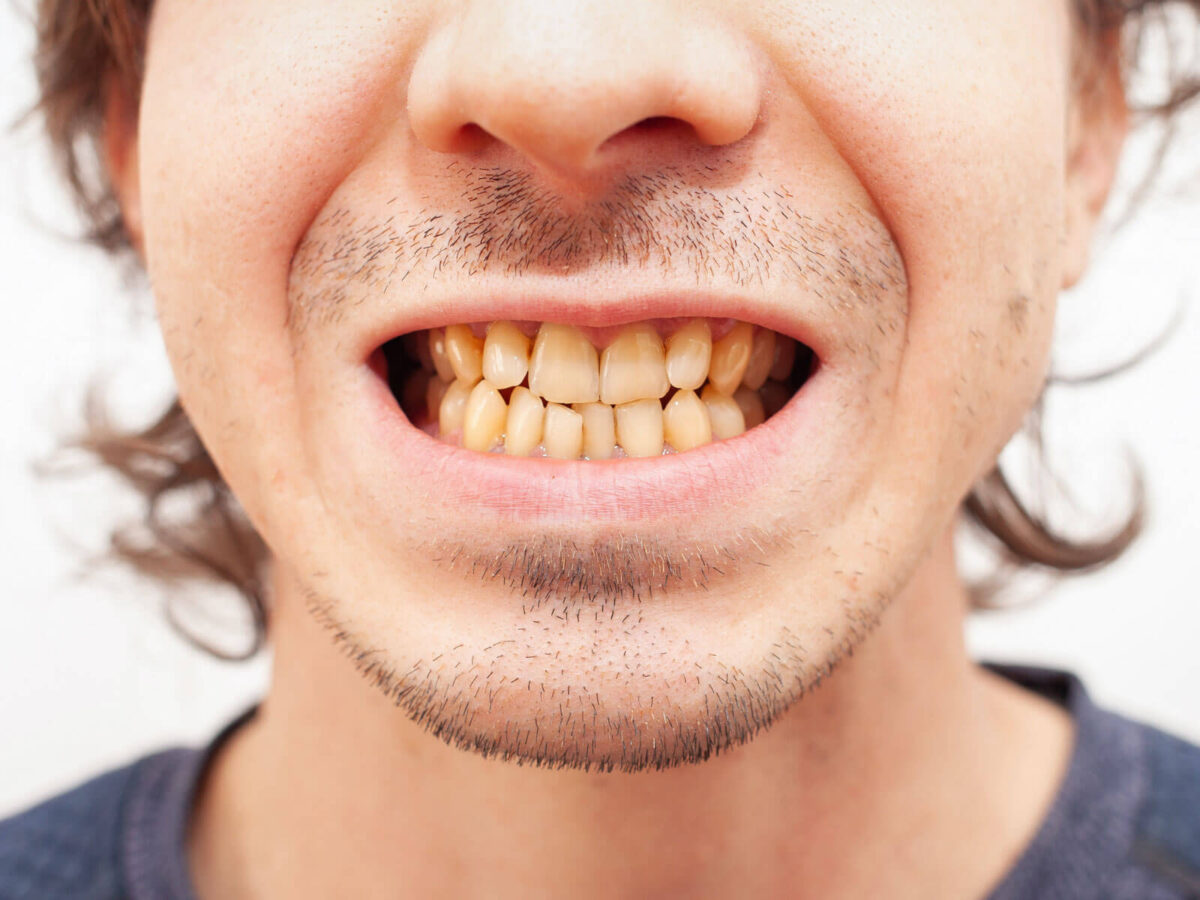
How to Get Rid of Yellow Teeth: 7 Home Remedies + Professional Whitening Options
My roommate swore by oil pulling for two months straight, coconut oil, ten minutes every morning, convinced her teeth looked whiter. I never saw much difference myself, and it’s one of those remedies that shows up everywhere online with confidence that outpaces the actual evidence behind it.
That gap runs through most of this topic. How to get rid of yellow teeth has real answers. A few of the most repeated ones aren’t among them.
What Actually Causes Yellow Teeth
My dentist once flipped this question around on me. Instead of asking what causes yellow teeth, she asked what color a tooth is without anything covering it.
Turns out dentin is yellow by default. Enamel’s what makes a tooth look white. It thins over the years, and dentin shows through more as it goes. Certain medications and old dental trauma can also darken a tooth from that same inner layer.
Coffee, tea, red wine, cigarettes, that’s a separate mechanism entirely. Pigment from those sits directly on the enamel surface. Cleveland Clinic classifies this as extrinsic staining, and it’s the kind of whitening treatments handle well.
Surface staining responds to surface fixes. The kind coming from inside the tooth doesn’t, which is exactly why how to get rid of yellow teeth depends on knowing which one you’ve actually got.
1. Brush Right, Not Just More
Brushing harder doesn’t help. Brushing smarter does. Twice a day, two minutes, is still the baseline nobody should skip.
Enamel doesn’t bounce back the second you swallow. Wine, soda, anything acidic softens it for a while after, longer than most people think to wait. Brush during that stretch, and you’re sanding down enamel that hasn’t hardened back up yet, not cleaning it. The ADA’s answer is timing: give it about an hour before you brush.
Electric beats manual for most people too, not because the bristles are magic, just because the motion stays consistent when a hand gets lazy by the second minute. Small habit, but it’s the cheapest place to start with how to whiten yellow teeth.
2. What a Whitening Toothpaste Can Actually Do
Whitening toothpaste doesn’t bleach anything. It just scrubs, using mild abrasives to wear surface stains down. The ADA points people toward products carrying the ADA Seal of Acceptance, specifically, confirmation of independent testing for safety and effectiveness.
Don’t expect anything dramatic. This is maintenance-level, useful for keeping stains from building back up, not for undoing years of it.
3. A Baking Soda + Hydrogen Peroxide Paste, Used Carefully
The ratio’s simple – one part baking soda to two parts hydrogen peroxide, mixed until it forms a paste. Baking soda’s the workhorse here, scrubbing surface stains off on its own. Hydrogen peroxide adds a mild bleaching effect on top of that.
Homemade batches tend to run stronger than commercial versions, though, so twice a week is a safer ceiling than daily. This one has more research behind it than most DIY options on this list, but it’s still not something dentists universally endorse for long-term use, so treat it as a supplement to get rid of yellow teeth gradually, not a primary method.
4. Whitening Strips If You Want a Real Step Up
Contact time is really the whole trick with strips. A rinse touches a tooth for seconds. Toothpaste, maybe two minutes if someone’s actually brushing that long. A strip stays put for half an hour or more, and that difference is where the whitening actually happens.
Look for the ADA Seal before buying one. It’s confirmation the product’s been tested and works as advertised. A 2021 review in Frontiers in Dental Medicine checked strips against other over-the-counter options and found strips came out ahead in most of the studies it covered.
5. Skip Oil Pulling
The ADA addresses this one directly. No reliable scientific evidence shows oil pulling whitens teeth. Swishing coconut or sesame oil might support general oral hygiene in some small studies, but the whitening claim specifically hasn’t held up under actual testing, and it’s not a method that belongs on any real list of how to get rid of yellow teeth.
6. Avoid Charcoal
Charcoal is abrasive enough to wear down enamel over time, and thinner enamel means more yellow dentin showing through underneath. A product marketed to whiten can end up doing the opposite, making it one of the worst places to start when figuring out how to whiten yellow teeth.
7. Use Apple Cider Vinegar Only With Real Caution
A 2014 lab study on cow teeth found that apple cider vinegar does lighten enamel. It also weakens it, softening the same surface it’s brightening, which is a strange trade to make on purpose.
Human teeth weren’t part of that study, so treat the results as a warning more than a green light. Anyone still curious should dilute it heavily and keep exposure short. As far as how to whiten yellow teeth goes, this is one of the riskier routes on the list, not one of the reliable ones.
When Home Remedies Hit Their Limit
Coffee stains respond to whitening. Trauma stains usually don’t. That split decides everything else here. Fighting a surface stain and fighting something baked into the tooth are two different battles, and no remedy on this list touches both.
Restorative work doesn’t take whitening either. A cap stays a cap’s color. Same for a crown, a filling, a veneer, whatever product you try on it. The ADA confirms that discoloration from medication or an old injury behaves the same way. It just won’t respond. Color matters too. A yellow tooth usually lightens well. Brown is unpredictable. Gray, more often than not, stays exactly where it started.
Anyone stuck at that wall isn’t failing at how to get rid of yellow teeth. They’ve just run into a problem that home remedies were never built to solve.
What Professional Whitening Actually Offers
In-office bleaching uses a much higher peroxide concentration than anything sold over the counter, applied under supervision, sometimes with a light meant to speed things along. Cleveland Clinic notes light-activated in-office whitening can lighten teeth three to eight shades, often in a single visit. That’s the real gap between this and anything done at home.
Custom-fitted trays are the other professional route, built to match your teeth exactly rather than the one-size-fits-all shape of a drugstore strip. Some dentist-provided systems reach that same shade range over a couple of weeks instead of one visit, a pace that strips and toothpaste rarely match, even with months of use.
A dentist also catches what a mirror can’t – gum recession, an untreated cavity, anything that would make whitening painful before it’s even started. That’s worth knowing before spending money on a plan for how to get rid of yellow teeth that skips the exam entirely.
FAQ
How fast does teeth whitening actually work?
Strips or a professional treatment, expect to notice a difference within two weeks. Home remedies take a lot longer, and most people quit before seeing much change at all.
Does whitening make your teeth sensitive?
Yes. A couple of days of it is normal, then it settles down. Still sensitive after that, worth a call to your dentist.
Can yellow teeth actually go back to fully white?
Lighter, usually. Fully white depends on the cause. Food and drink stains respond well. Genetics or aging sets a harder ceiling.
Are natural remedies ever worth trying at all?
Occasional baking soda, fine. Oil pulling and charcoal don’t have the evidence behind them. Lemon juice or undiluted vinegar can actually damage enamel if you make a habit of it.
Conclusion
The method that actually works for “how to get rid of yellow teeth” depends on what’s causing the yellow in the first place. Coffee and wine stains respond to brushing, a whitening toothpaste, or strips. Something deeper, tied to age or genetics, usually needs a dentist’s help rather than another home fix.
A few weeks of consistent home care with no real change is worth taking seriously. That’s less a sign you picked the wrong remedy and more a sign the staining might not be the surface kind at all, which a dentist can usually tell within minutes of looking.
Book a consultation with your dentist to find out what’s actually behind your staining and which whitening method fits it.