Blog
Dental hygiene tips for healthy teeth & gums
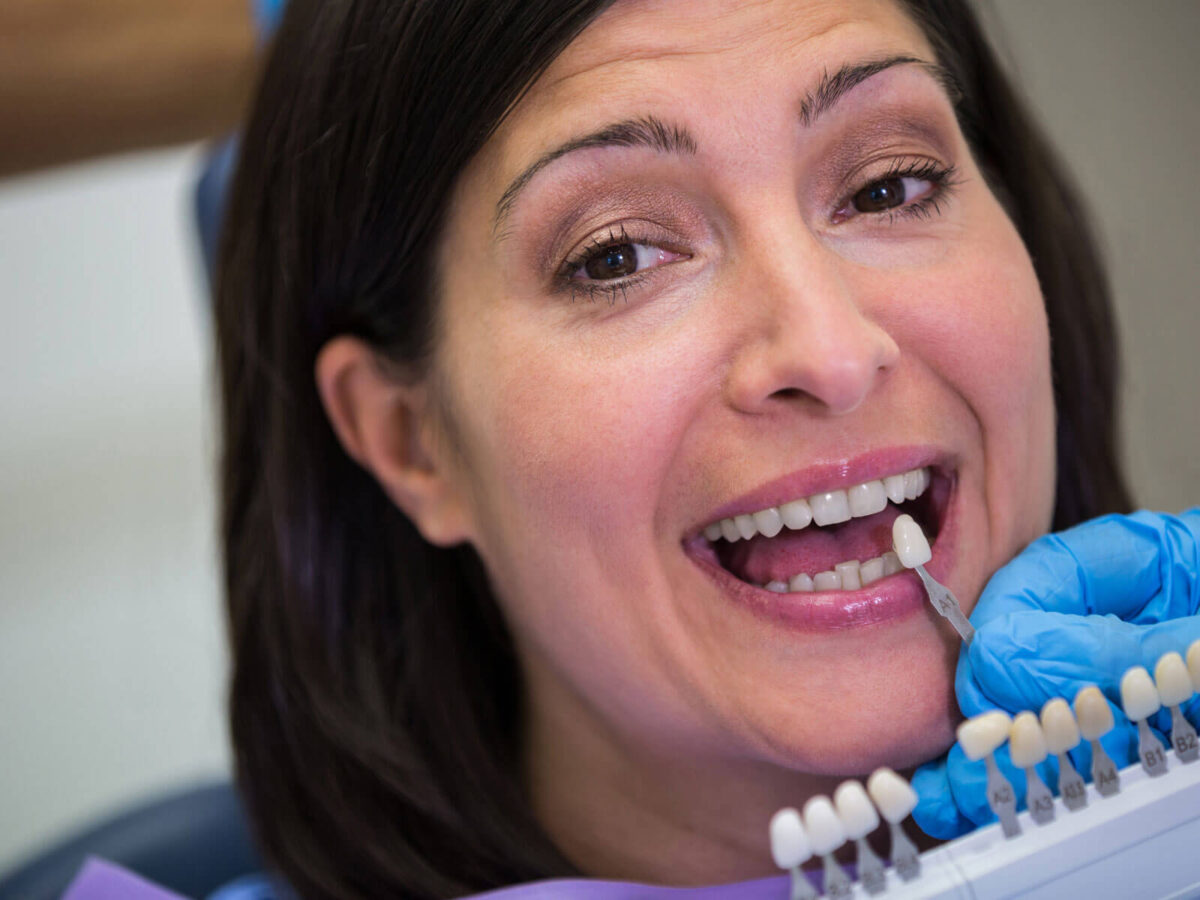
How Much Do Dental Veneers Cost? Porcelain vs Composite, Per Tooth & Full Smile Pricing
A coworker got a quote for eight veneers that came back at $14,000. Her sister paid $600 total for one, treating a single chipped front tooth with composite instead. Same category of treatment on paper. Wildly different bill in practice.
That gap comes down to material, mostly. According to the American Dental Association’s MouthHealthy resource on veneers, porcelain veneers tend to cost more than composite ones, while composite requires less enamel removal and fewer visits. How much do veneers cost? It depends on which material you’re looking at, and the cost of veneers dental offices quote can shift a lot depending on that one choice alone.
How Much Do Veneers Cost Per Tooth
Composite is the cheaper route. A dentist mixes and shapes the resin right on your tooth, no lab, often done in one sitting. Porcelain costs more because it’s fabricated off-site and bonded in a second visit. That difference alone explains a good chunk of the cost of dental veneers that patients get quoted.
Ask about the exact porcelain type. Feldspathic, lithium disilicate, zirconia, they’re not interchangeable, and the fabrication cost isn’t either. Most dentists won’t bring this up unless you push for it. I’ve seen quotes where two people got wildly different numbers for what sounded, on paper, like the same procedure.
Specialist versus general dentist matters too. A cosmetic specialist who does veneers all day, every day, charges for that focus.
Why Does Porcelain Cost So Much More Than Composite
Composite gets built right on your tooth. The dentist applies resin and shapes it chairside, done in one visit, no lab involved anywhere in the process.
Porcelain takes a detour. An impression goes out to a dental lab, where a ceramist builds the piece by hand or with CAD/CAM milling, then ships it back for a second appointment. That lab bill and the ceramist’s time get folded into prices for dental veneers on top of the extra visit itself. I’ve heard people assume the dentist is just marking up the same material twice, but the lab is a separate business getting paid separately.
How Much Does a Full Smile of Veneers Cost
Six to ten teeth. That’s what “full smile” actually means most of the time, whichever dentist you ask. The ones that show up when you laugh, talk, smile in a photo.
Porcelain for that stretch runs $5,000 on the cheap end. Twenty thousand isn’t rare either. Composite sits lower, somewhere in the $2,000 to $12,000 zone, depending on how many teeth and who’s doing the work.
Sixteen teeth, twenty teeth, top and bottom rows both. That’s not a smile makeover anymore. That’s rebuilding a mouth. Forty thousand dollars, sometimes more, sometimes a lot more.
Ask your dentist for a number. Not “full set,” not “smile design.” A number. Six? Ten? Sixteen? Get that pinned down first, because everything else on the quote depends on it.
Is Porcelain Actually Worth the Higher Price Long Term
Depends how far out you’re willing to look. Composite usually needs a touch-up or full redo within 5 to 7 years. Porcelain holds up far longer, and there’s real research behind that, not just what a dentist’s brochure says.
A systematic review in PMC covering 25 studies and 6,500 porcelain veneers found a 10-year survival rate of 95.5 percent. A separate PMC study on veneer success by preparation design and material found similar long-term durability. Stretch the math to 15 or 20 years, and a composite set redone once or twice can end up costing close to what the cost of veneers dental patients pay for porcelain would have been from the start. Sometimes more, once you count every extra appointment each redo adds.
What Else Moves the Price
Location. Big-city dentists deal with higher rent and staff costs, and that lands on your invoice regardless of case complexity.
Training. Specialized cosmetic dentists tend to charge more per tooth. Same porcelain, same lab, but you’re paying for the eye and the track record behind the work.
What’s missing from the quote. Decay treatment, gum reshaping, whitening the surrounding teeth so the shade matches, none of that’s usually in the headline number.
Doing several teeth at once. Some offices spread lab and consultation costs across the whole set, which can lower the per-tooth price.
Will Insurance Pay for Any of This
Almost never. According to the American Dental Association’s MouthHealthy resource on veneers, veneers are considered cosmetic dentistry, so insurance typically won’t cover them unless deemed medically necessary. That holds regardless of which material you pick, and it’s a big part of why the cost of veneers dental patients pay usually comes fully out of pocket.
One exception exists. If a veneer is fixing actual damage, a tooth broken in an accident, or decay that’s eaten into the structure, rather than just improving the look of a healthy tooth, some plans will cover part of it. Ask both your dentist’s office and your insurer how they’d code it before you assume either way. The wording on the claim decides more than you’d think.
What Payment Options Exist If You’re Not Paying Out of Pocket
Healthcare financing cards come up constantly, often with a 0 percent promotional window running 6 to 24 months. Plenty of practices also run their own in-house payment plans, splitting the total into monthly installments without a third-party lender involved at all. Either route can make the cost of veneers dental offices quote more manageable without paying the full amount upfront.
Phasing the work is another route. A few teeth now, the rest later, spreading the cost out over time. The tradeoff is living with a mismatched smile for a while in between phases, which not everyone’s willing to do.
Should You Try Composite First to Test the Look
Some dentists suggest this, and it’s a reasonable strategy. Composite involves little to no permanent tooth alteration, so if the look isn’t right, it’s cheaper and easier to adjust or remove than porcelain already bonded in place.
The catch is durability. Composite stains and wears faster, and someone who likes the look but wants it to actually last often ends up switching to porcelain down the line anyway, paying for both instead of just one. That sequencing raises the total cost of veneers dental patients end up spending, so it’s worth being honest with yourself about how sure you already are before starting with the cheaper option.
FAQ
Do veneers hurt?
Not usually. There’s some enamel removal for porcelain, and a day or two of sensitivity afterward isn’t unusual. Composite skips most of that.
Can I change my mind on the color later?
Depends which one you got. Composite bends to changes. Porcelain doesn’t, not once it’s bonded, so the fitting appointment is where you really need to speak up.
What’s the timeline like?
Composite, same day. Porcelain takes longer. Impressions go to a lab, and you’re waiting a couple weeks for the real thing to come back.
Anything I need to do differently to take care of them?
Not much beyond normal brushing and flossing, honestly, aside from not using your teeth as tools. Grinders should ask about a nightguard, veneers don’t love that kind of pressure.
Conclusion
The cost of veneers dental patients actually pay comes down to two decisions more than anything else, composite or porcelain, and how many teeth you’re treating. Composite costs less and suits a smaller fix or a trial run. Porcelain costs more per tooth but tends to hold up long enough that the math favors it once you’re thinking past a single decade.
Get a written, itemized quote before agreeing to anything, one that separates the per-tooth fee from lab costs and any prep work. That breakdown explains the gap between two dentists’ estimates far better than the sticker price alone ever does.
Book a consultation with your dentist to get that itemized quote and find out where your case actually falls.